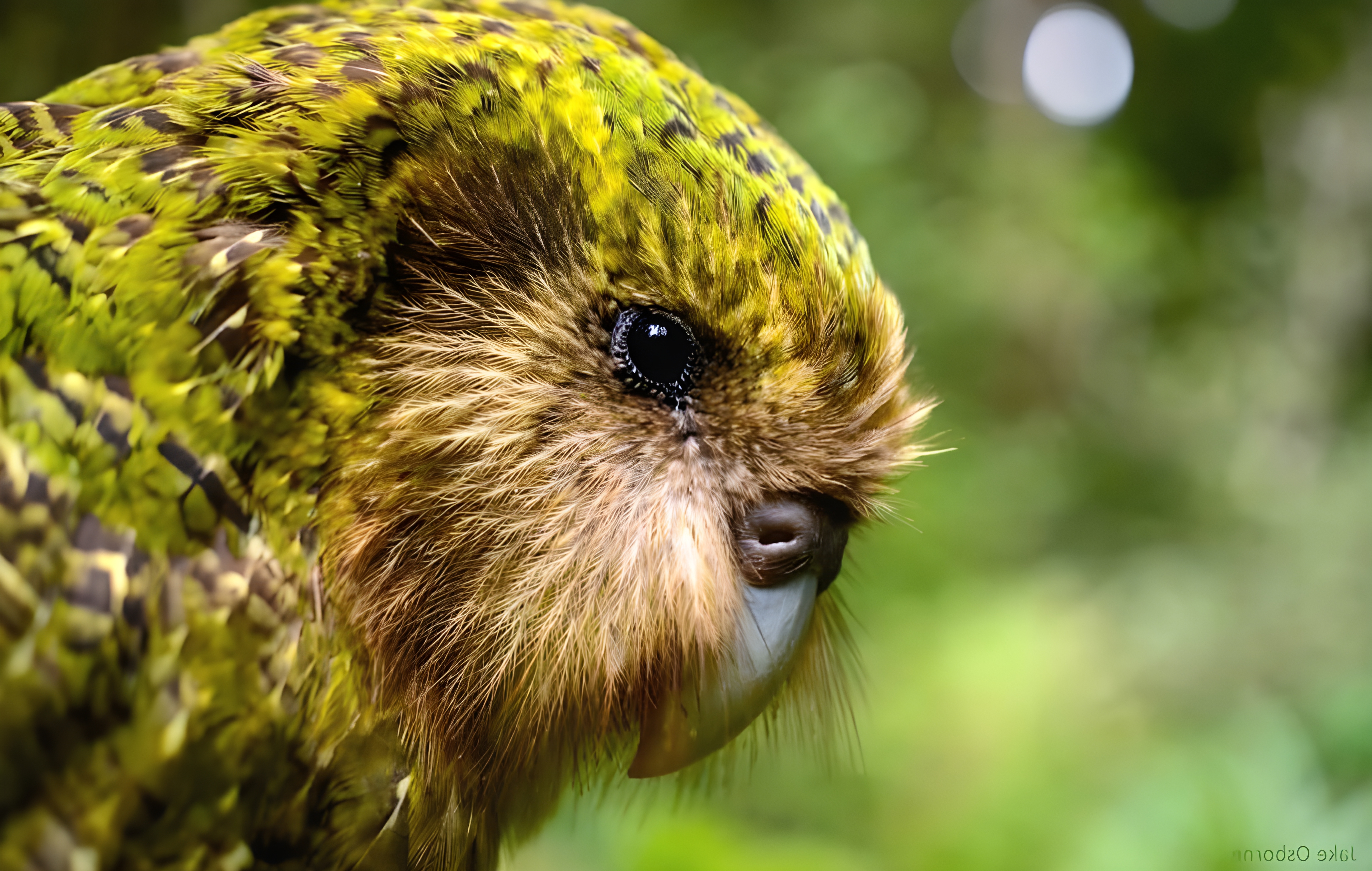
New Zealand is racing to protect its critically endangered birds, including the kākāpō, from H5 avian influenza before spring migration introduces the virus. With fewer than 250 kākāpō left, even a single outbreak could be catastrophic.
In a world-first trial, the Department of Conservation vaccinated up to 10 captive birds from five species, including takahē, kakī, and tūturuatu. Using a licensed poultry vaccine, four species developed strong antibody responses lasting at least six months, offering hope for protecting core breeding populations and birds reintroduced into the wild.
The programme requires careful timing: vaccinate too early, and immunity fades; too late, and birds risk exposure. Australia and other countries are watching closely, with similar trials underway to safeguard vulnerable species like the Tasmanian devil and native sea lions.
Globally, wildlife vaccination remains rare due to logistical challenges and risks of viral evolution, but successful programmes—such as emergency inoculations for California condors in 2023—show its potential. For New Zealand’s birds on the brink, vaccination could be a critical lifeline.
“If we start too soon, we’re going to lose that antibody. But if we start too late, we might have missed the crucial moment,” says Kate McInnes, wildlife veterinarian.