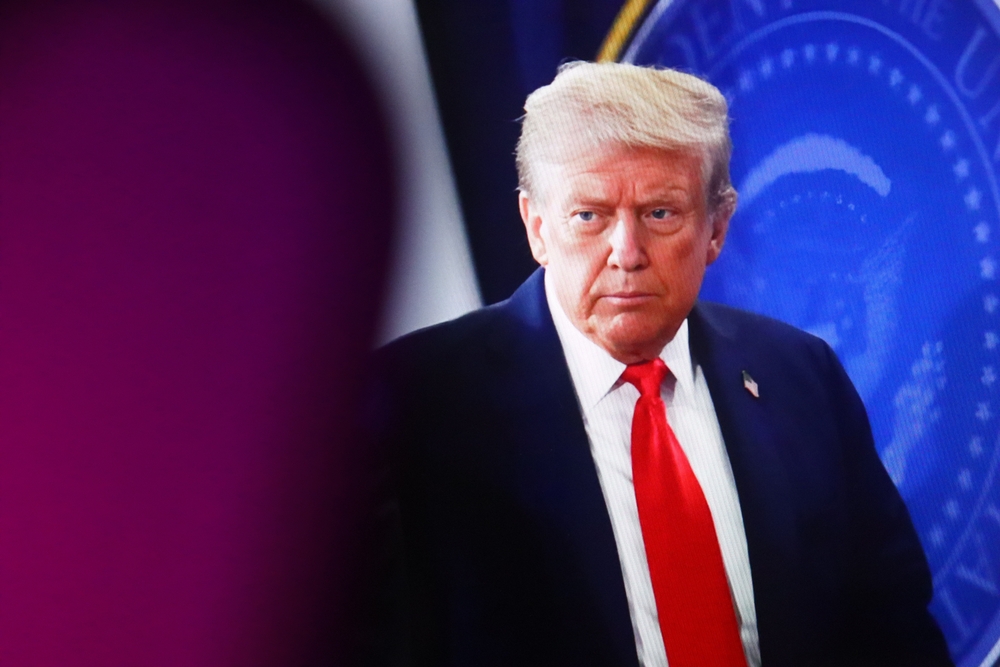
The Trump administration announced a major weapons package to Taiwan valued at around $11bn. The deal includes advanced rocket launchers, self-propelled howitzers, and a variety of missile systems. US officials released the details late Wednesday. Congress must approve the sale before it can move forward. The administration described the package as essential for regional security.
This marks the second arms sale to Taiwan since Donald Trump returned to the White House in January. The administration continues to strengthen military cooperation with Taipei. Officials said the deal responds to rising security threats in the region. The package significantly boosts Taiwan’s defensive capabilities.
China increases military activity
China considers Taiwan a breakaway province and rejects its self-rule. Beijing has steadily increased pressure through repeated military drills. Chinese aircraft and naval vessels frequently operate near Taiwan’s airspace and waters. These actions have heightened tensions across the region.
Taiwan’s defence ministry welcomed the announcement on Thursday. Officials said the sale would quickly strengthen deterrence capabilities. The ministry emphasised the need for robust defensive systems. Taiwan faces growing military challenges.
US balances defence support with diplomacy
The United States maintains formal diplomatic relations with Beijing rather than Taipei. Washington has followed this policy for decades. Despite this stance, the US remains Taiwan’s leading military partner. American suppliers provide most of the island’s advanced weapons.
China has not publicly responded to the announcement. Last month, Beijing criticised an earlier $330m sale. That deal included fighter jets and aircraft components approved in November. China’s foreign ministry said the agreement violated its sovereignty and security.
High-end systems dominate the package
The deal includes High Mobility Artillery Rocket Systems valued at $4bn. It also includes self-propelled howitzers worth another $4bn. The US Defense Security Cooperation Agency released the details Wednesday night. Officials said the systems improve mobility and precision.
If approved, the sale will surpass previous arms deals in scale. Nineteen sales under the previous administration totalled $8.38bn. This single package exceeds that combined amount. Analysts view the size as a deliberate strategic message.
Trump continues record arms sales
During his first term, Trump approved $18.3bn in arms sales to Taiwan. One package alone reached $8bn. That period marked the highest volume of approved deals. The current sale continues that trend.
The US State Department defended the agreement publicly. Officials said the sale supports Taiwan’s military modernisation. They said it helps maintain credible defensive capabilities. Washington framed the deal as serving national interests.
Taiwan plans higher defence spending
China has repeatedly pledged reunification with Taiwan. Beijing has never ruled out using force. Taiwanese leaders increasingly take the threat seriously. The government plans to raise defence spending above 3% of GDP next year. Officials aim to reach 5% by 2030.
In October, President Lai Ching-te announced plans for a new air defence system. He described it as protection against hostile threats. He avoided naming China directly. The system will resemble a dome-style shield.
Regional tensions spread across East Asia
China has grown more assertive across the region. Neighbouring countries have voiced concern. In June, Japan protested Chinese aircraft carrier drills in the Pacific. The exercise marked an unprecedented escalation.
Tokyo and Beijing have since exchanged sharp warnings. Japan’s prime minister suggested possible military involvement if China attacks Taiwan. Tensions escalated this month near disputed islands. Vessels from both sides confronted each other at sea. Chinese fighter jets also locked radar onto Japanese aircraft.