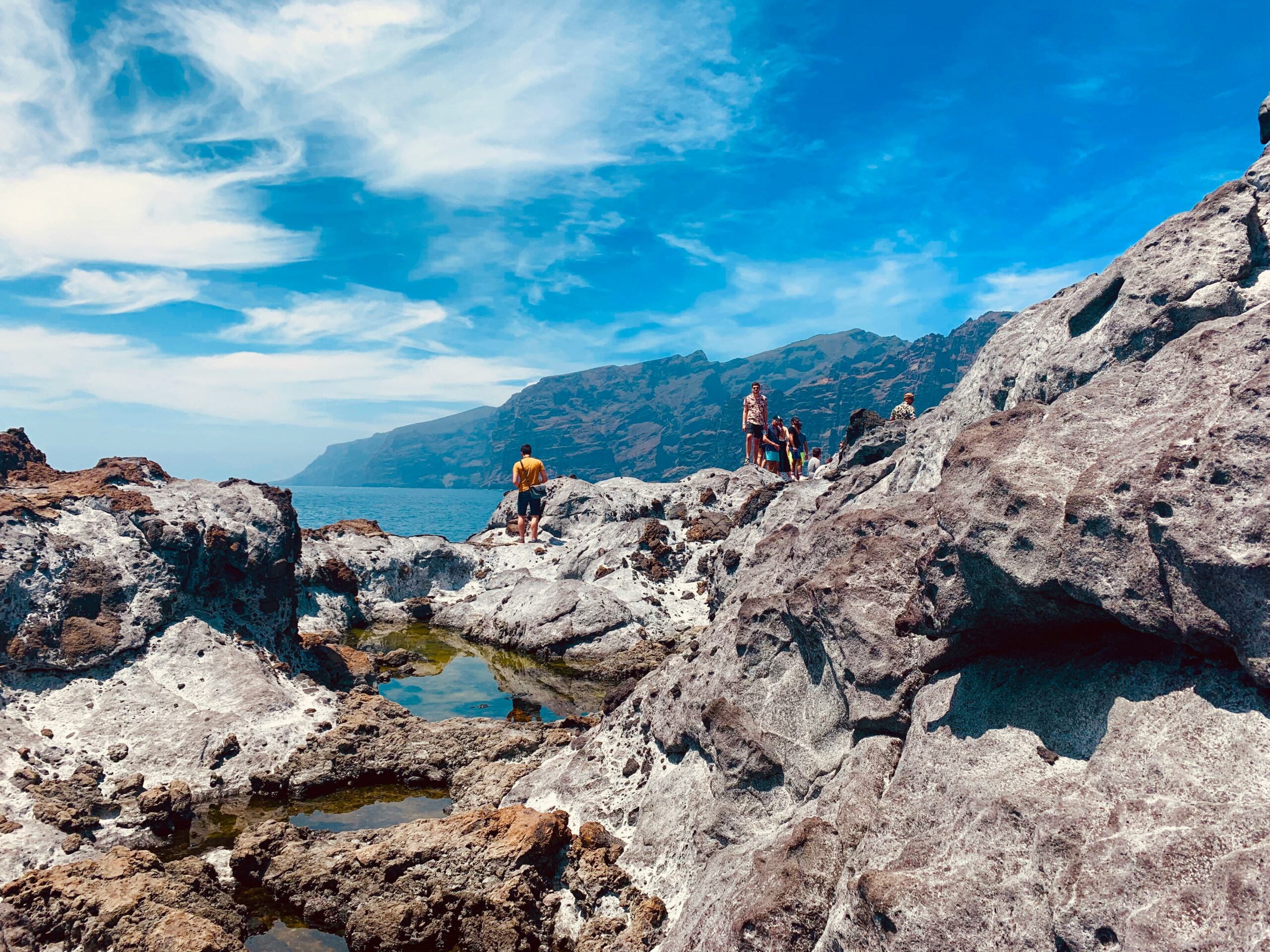
The Canary Islands shattered visitor records once again despite ongoing overtourism protests and new restrictions.
The islands continued attracting record crowds throughout the year, pushing tourism to unsustainable levels.
Recent August data confirmed an “unprecedented” wave of foreign arrivals across the archipelago.
Visitor numbers soared even after authorities introduced measures to control mass tourism.
The archipelago recorded 1.23 million foreign visitors in August, the highest figure ever for that month.
That total marked a 6% rise from August 2024, despite extreme summer heat.
The trend reflects a broader surge in tourism across Spain during 2025.
Between January and August, more than 10 million international tourists arrived in the Canary Islands.
The region ranked as Spain’s third most visited destination during that period.
Nearly half a million visitors came from the United Kingdom, with Germans forming another large group.
Tourism now generates roughly 35% of the islands’ total GDP.
Islands Struggle to Balance Nature and Popularity
The Canary Islands, located 100 kilometres off Africa’s northwest coast, attract travellers year-round with steady sunshine.
Their diverse landscapes—beaches, forests, volcanoes, and mountains—make them an all-season paradise.
The seven main islands include Tenerife, Fuerteventura, Gran Canaria, Lanzarote, La Palma, La Gomera, and El Hierro.
Easy access by air from Europe fuels consistent growth, though Ryanair’s recent flight cancellations may affect travel.
However, many residents have grown frustrated by the constant tourist influx.
Protests across the islands echo similar anti-overtourism movements seen elsewhere in Spain.
Authorities Introduce Eco-Taxes and Local Controls
Tenerife will soon require visitors to pay an “eco-tax” to hike in Teide National Park by 2026.
The park, home to the Teide-Pico Viejo volcano, attracts more visitors than any other natural site in the Canaries.
Fees will vary depending on the trail and level of guidance.
An unguided climb along the Telesforo Bravo route will cost €15, while guided tours will cost €10.
The Montaña Blanca–Rambleta trail will cost €6 on weekdays and €10 on weekends and holidays.
Children under 14 and Tenerife residents will enter for free, and Canary Island residents will pay reduced rates.
Officials say the new charges will help protect biodiversity and reduce overcrowding.
“Tenerife’s Teide is our crown jewel,” said island president Rosa Dávila. “We must protect it for future generations.”
Other islands are also taking action. New Spanish laws let residents vote to block new short-term holiday rentals.
Mogán in Gran Canaria imposed a daily €0.15 tourism fee in January.
El Hierro continues prioritizing sustainable travel with limited flights and few accommodations.
The islands also enforce smoke-free beaches and heavy fines for public drinking to discourage excessive partying.