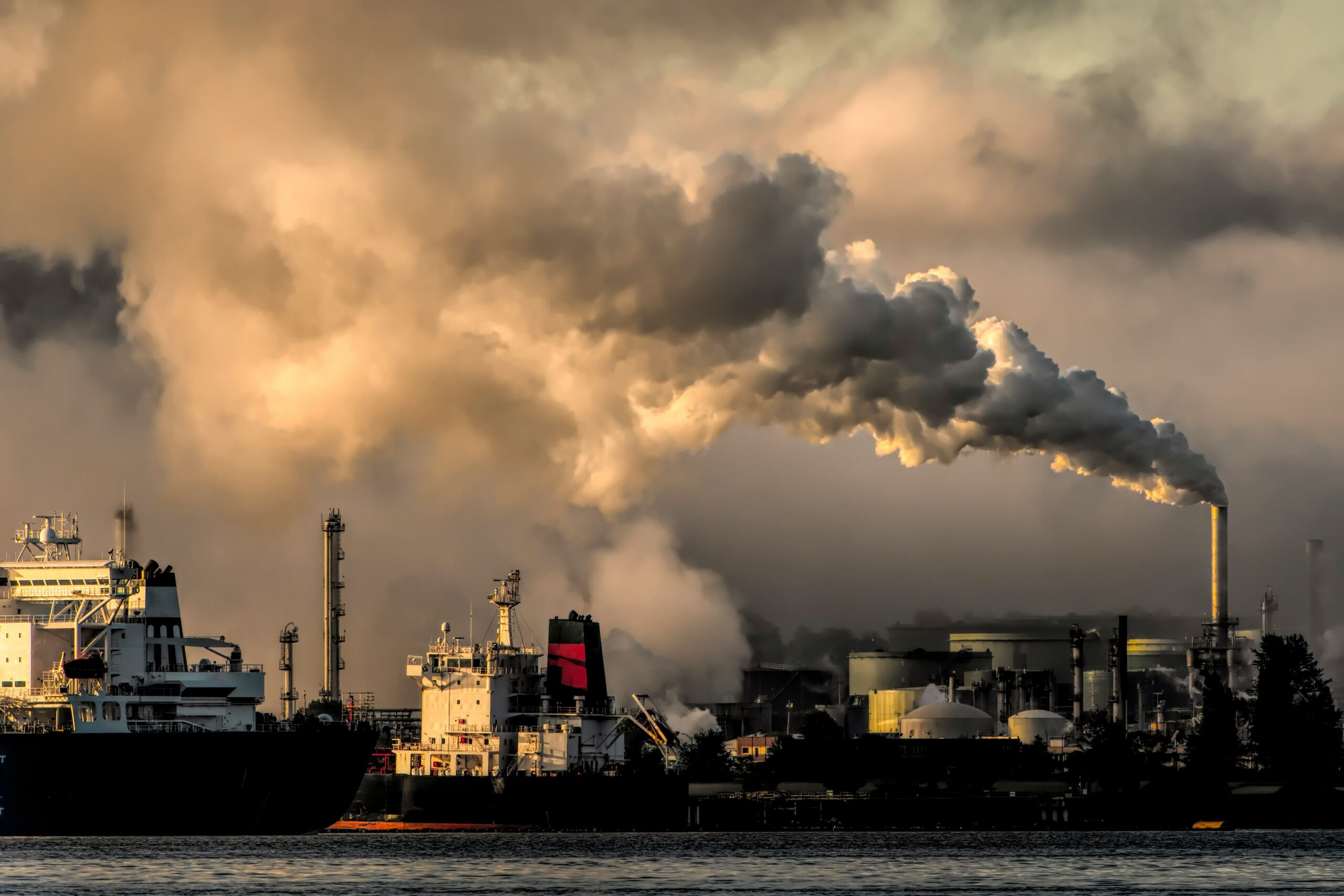
Study reveals disproportionate health impacts on communities of color
A new study finds that air pollution from oil and gas operations causes over 90,000 premature deaths annually in the United States and contributes to widespread illness, with communities of color bearing a disproportionate share of the burden.
Researchers estimate that more than 10,000 pre-term births each year are linked to fine particulate matter from oil and gas activities. The study also attributes 216,000 cases of childhood-onset asthma annually to nitrogen dioxide emissions from the sector, along with 1,610 lifetime cancer cases related to hazardous air pollutants.
The states experiencing the largest overall impacts include California, Texas, New York, Pennsylvania, and New Jersey, while per-capita effects are highest in New Jersey, Washington DC, New York, California, and Maryland.
The study, led by University College London and the Stockholm Environment Institute, is the first to quantify health consequences across the entire oil and gas supply chain—from exploration and extraction to processing, distribution, and end use—while highlighting unequal exposure.
Indigenous and Hispanic communities face the greatest risks from exploration, extraction, transportation, and storage activities, whereas Black and Asian populations are most affected by processing, refining, manufacturing, distribution, and combustion. While these latter activities generate less pollution overall, they produce the most unequal health impacts, concentrated in majority-Black areas such as southern Louisiana’s “Cancer Alley” and eastern Texas.
Timothy Donaghy, research director at Greenpeace USA, emphasized the importance of the study’s comprehensive scope: “It tracks health impacts from where oil and gas come out of the ground to where they are combusted… These health burdens are not shared equally – a prime example of fossil fuel racism in action.”
The research, published in Science Advances, relied on federal and university data to model emissions and link them to health outcomes, including mortality and disease incidence. The authors note that these disparities are rooted in historical policies such as redlining and in the high concentration of oil and gas facilities near Black communities.
Overall, oil and gas contribute significantly to the US’s air pollution-related health burden: the sector accounts for one in five pre-term births and adult deaths from fine particulate matter, and nearly 90% of new childhood asthma cases linked to nitrogen dioxide pollution.