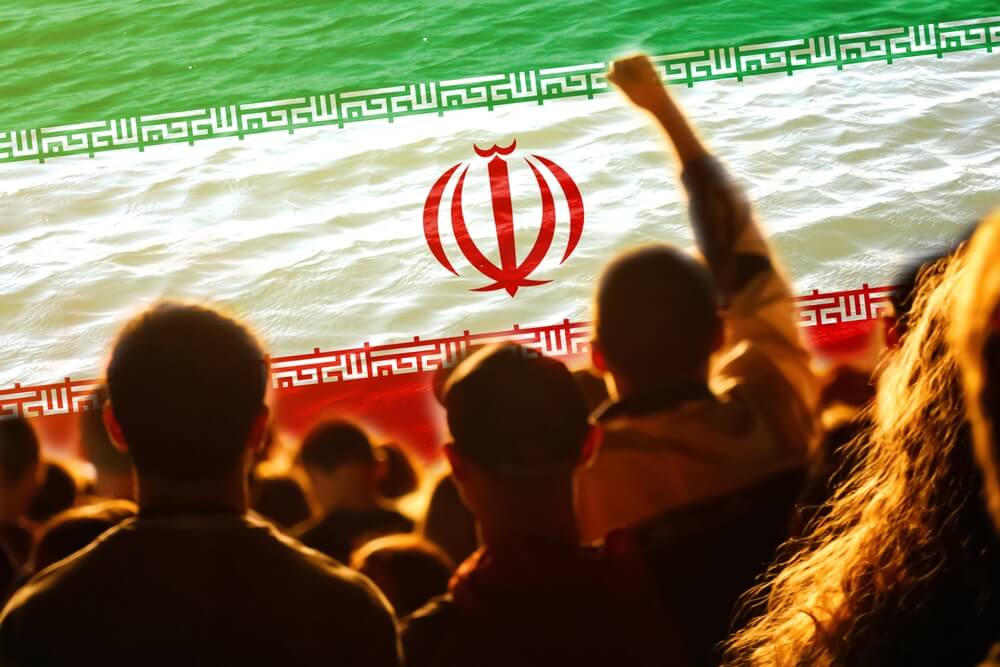
Iran’s protest movement intensified dramatically this week as crowds took to the streets of Tehran and other cities following a call for mass demonstrations by exiled crown prince Reza Pahlavi. Human rights groups say the unrest has already turned deadly.
Streets Fill as Communications Are Cut
Witnesses in Tehran said chants echoed through neighbourhoods late Thursday night, with people shouting both from balconies and on the streets after Pahlavi urged Iranians to demonstrate at 8pm local time. Cries of “Death to the dictator!” and “Death to the Islamic Republic!” rang out, while some protesters voiced support for the former monarchy, chanting: “This is the last battle! Pahlavi will return!”
Almost as soon as the protests began, internet access and phone services across Iran were disrupted. Internet monitoring firm Cloudflare and advocacy group NetBlocks reported widespread outages, which they attributed to government interference. Attempts to reach Iran by phone from abroad, including from Dubai, failed — a tactic that has often preceded harsh crackdowns in the past.
The demonstrations mark a significant escalation in protests that began in late December over Iran’s struggling economy and have since spread across the country.
Rising Death Toll and Mounting Pressure
The Norway-based Iran Human Rights organisation says at least 45 demonstrators have been killed by Iranian security forces since the protests erupted. Meanwhile, the US-based Human Rights Activists News Agency reports that more than 2,260 people have been detained and at least 39 killed amid violence linked to the unrest.
Markets and bazaars in several cities shut down in solidarity with protesters, adding pressure on Iran’s civilian government and Supreme Leader Ayatollah Ali Khamenei. Despite the scale of the unrest, Iranian authorities have offered little public acknowledgment of how widespread the demonstrations have become.
State-aligned media appear to be taking the threat seriously. The hardline Kayhan newspaper published a video suggesting security forces could use drones to identify demonstrators, underlining the risk facing those who take part.
Pahlavi’s Call and an Uncertain Future
The protests are the first real test of whether Reza Pahlavi — whose father fled Iran shortly before the 1979 Islamic Revolution — can influence events inside the country. In a statement, he urged Iranians to unite and make their voices heard, warning the authorities that the world was watching.
“Great nation of Iran, take to the streets and, as a united front, shout your demands,” Pahlavi said. He also warned Iran’s leadership and the Revolutionary Guard that international attention, including from US President Donald Trump, was focused on their response.
Analysts caution that the movement remains largely leaderless, a weakness that has undermined past uprisings. “The lack of a viable alternative has weakened previous protests in Iran,” wrote Nate Swanson of the Atlantic Council, noting that many potential leaders have been arrested, exiled or silenced by the security apparatus.
International reactions continue to grow. Trump has warned Tehran against violently suppressing peaceful protesters, while European Parliament President Roberta Metsola praised the courage of Iranians demanding freedom and dignity.
As protests continue and communications remain unreliable, it is unclear whether the unrest will coalesce into a sustained movement — or trigger a more forceful response from the state.