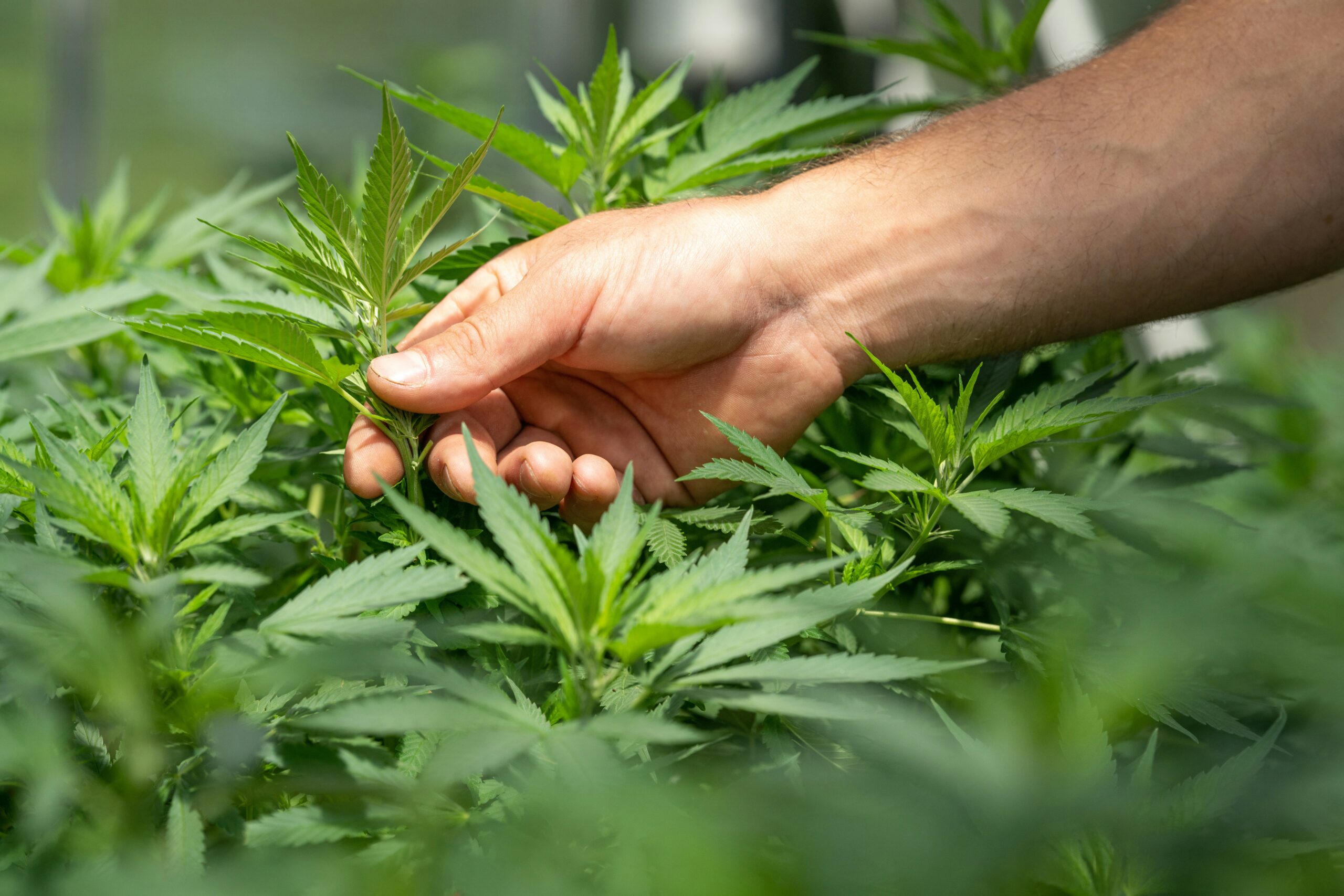
Researchers tested VER-01, an experimental cannabis extract, on adults with chronic lower back pain. Patients recorded notable drops in pain levels within months. The extract differs entirely from smoking cannabis, offering controlled dosing and medical oversight.
Lower back pain affects more than 619 million people globally, making it the most common cause of disability. Chronic pain recurs persistently, restricting mobility, damaging sleep, and eroding quality of life. Current treatments remain limited. Opioids risk addiction, while nonsteroidal anti-inflammatory drugs (NSAIDs) may cause long-term cardiovascular or gastrointestinal damage. VER-01 provides an alternative without those dangers.
Study Details and Patient Results
The late-stage clinical trial recruited 820 adults who had failed to achieve relief with non-opioid drugs. Researchers divided them into two groups: one received VER-01, the other received a placebo. Patients tracked pain using a 0 to 10 scale, with 10 representing unbearable pain.
After three months, the VER-01 group reported an average 1.9-point decrease. The placebo group reported only a 0.6-point drop. In a six-month extension, VER-01 patients achieved an additional 1.1-point reduction. Patients also described better sleep and improved physical function. These improvements highlight broad quality-of-life gains, not just reduced pain.
Researchers reported mild, temporary side effects, including dizziness, nausea, and sleepiness. Importantly, they observed no evidence of dependency or drug abuse. The findings, published in Nature Medicine, underline the treatment’s safety profile. Scientists now plan follow-up trials comparing VER-01 directly with opioid therapies.
Expert Opinions and Broader Impact
Jan Vollert, a University of Exeter neuroscientist not involved in the trial, praised the results as clinically significant. He stressed the importance of further studies but acknowledged the clear potential for helping millions with chronic pain. Vollert warned patients not to self-medicate with cannabis, explaining that VER-01 is carefully formulated and distinct from smoking marijuana.
VER-01 contains 2.5 milligrams of Tetrahydrocannabinol (THC) per dose, along with other compounds. The low, controlled amount minimizes psychoactive effects while retaining therapeutic value. Vollert compared smoking cannabis to taking VER-01 as being as different as eating hazelnuts versus eating Nutella—related in origin but not interchangeable.
The study marks a breakthrough for European pharmaceutical innovation. If replicated in future trials, VER-01 could reduce reliance on opioids and reshape chronic pain treatment worldwide. For patients living with unrelenting discomfort, the prospect of effective, non-addictive relief represents a major shift in long-term care.