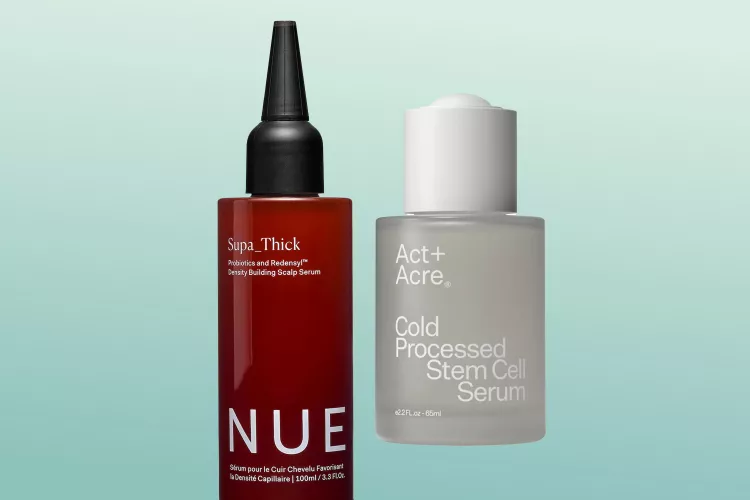
Researchers in the United States have discovered a breakthrough serum that promotes hair regrowth in mice. The serum works by activating resting hair follicles, prompting them to enter a growth phase. In experiments, mice showed noticeable hair regrowth within just 20 days.
The discovery is considered an important step in dermatology and regenerative medicine. While the research is still in early stages, the results suggest potential pathways for developing treatments for hair loss in humans. Scientists emphasize that further studies are needed to determine safety and effectiveness in people.
Hair loss affects millions of individuals worldwide, creating a high demand for effective therapies. Current options are limited, and many treatments only slow hair loss rather than stimulate new growth. The new serum offers a promising approach by targeting dormant follicles directly.
The research team conducted controlled studies to measure the serum’s effectiveness. Mice treated with the solution experienced faster and denser hair regrowth compared to untreated subjects. Laboratory analysis confirmed that the follicles had transitioned from a resting phase into active growth, a key milestone in hair restoration.
Experts highlight the significance of this finding. Early-stage regenerative therapies like this serum could eventually provide alternatives to conventional treatments such as medications or hair transplants. By understanding the biological mechanisms that trigger follicle activation, scientists hope to develop solutions that are safe, effective, and widely accessible.
The potential applications extend beyond hair loss. The principles behind follicle activation could inform broader regenerative medicine strategies, including skin repair and wound healing. Researchers are optimistic that this work will inspire further studies in tissue regeneration.
Despite the promising results, researchers caution that human trials are still needed. Biological differences between mice and humans mean that not all findings will translate directly. Safety testing, dosage adjustments, and long-term studies will be critical before the serum can be considered for clinical use.
The breakthrough has generated excitement among the scientific community and the public. Dermatologists and researchers are watching closely as follow-up studies are planned to evaluate efficacy in human hair follicles. If successful, the serum could represent a significant advancement in treating baldness and thinning hair.
For readers, the key takeaway is that while the discovery is preliminary, it represents a meaningful step toward potential hair-loss treatments. Continued research and development may one day provide new options for people seeking solutions to hair thinning and baldness.
In summary, the hair regrowth serum in mice demonstrates the power of regenerative medicine to address long-standing challenges in dermatology. With further research, it could open doors to effective therapies for human hair restoration.