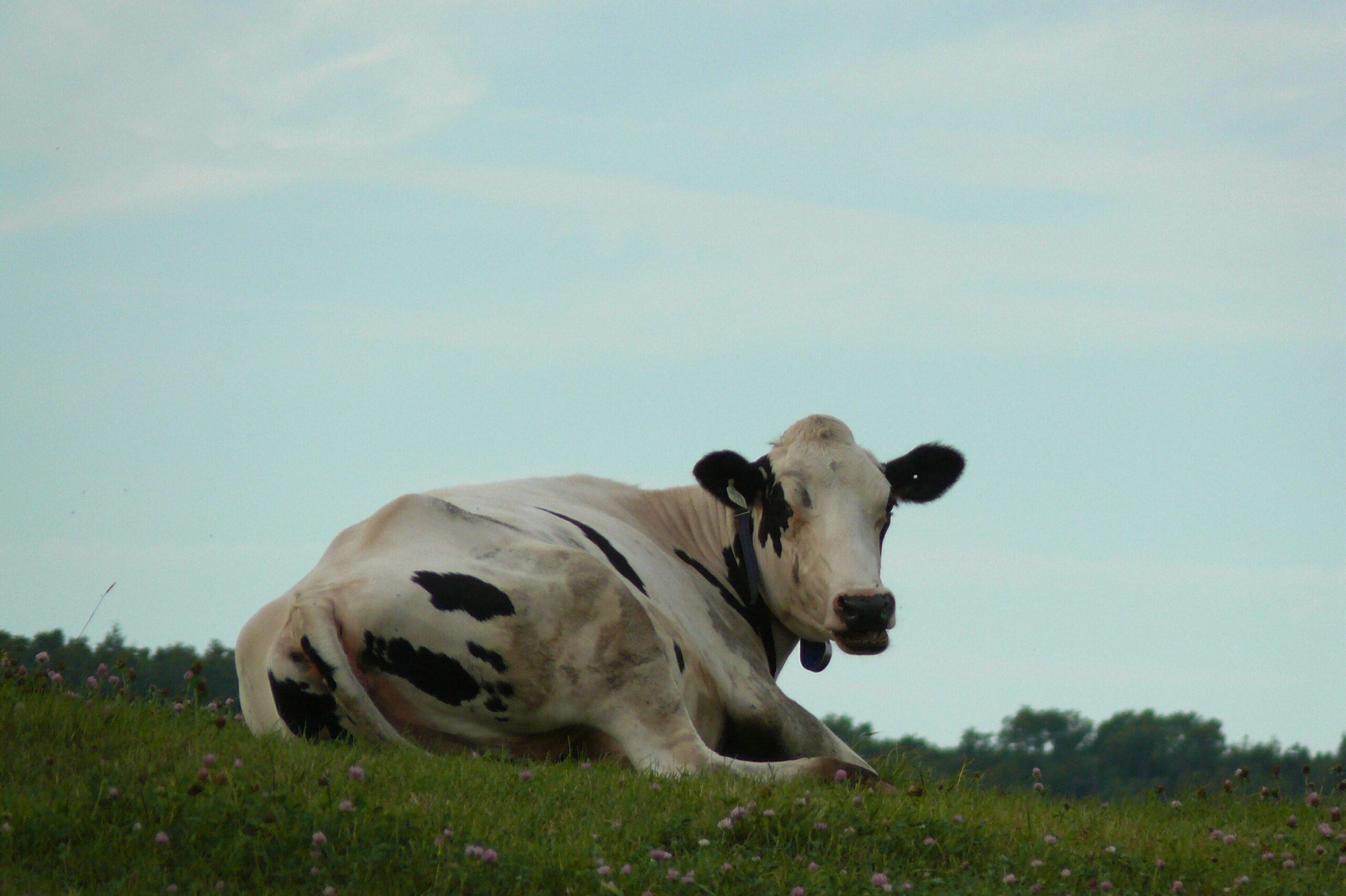
Virus Found in Air and Dairy Farms
Avian influenza continues to spread throughout the United States, with the virus now detected in airborne particles as well as on farms.
Since the first U.S. outbreak in dairy cows in March 2024, infections in both livestock and humans have risen. According to the Centers for Disease Control and Prevention (CDC), 70 human cases and one death have been reported. The agency continues to classify the risk to public health as low, noting that no human-to-human transmission has been documented.
Authorities have put several measures in place. Cows must now be screened for the virus before moving between states, and raw milk samples from dairy silos are being tested. In December 2024, California—the nation’s largest milk producer—declared a state of emergency. Yet researchers at Emory University School of Medicine argue these steps are insufficient and call for broader preventive measures.
Why Scientists Are Concerned
Microbiologist and immunologist Seema Lakdawala and her team studied the virus’s spread on farms and discovered it is far more pervasive than previously believed. They found infectious H5N1 virus not only in udders, milk, and milking equipment, but also in wastewater, barn air, and cows’ exhaled breath, in both large and small aerosol particles. “It’s everywhere,” Lakdawala told Scientific American. “We need stronger biosecurity protocols and more aggressive containment strategies.”
Recently, U.S. Health Secretary Robert F. Kennedy Jr. announced the cancellation of approximately $500 million in federal funding for mRNA vaccine research. This decision affects Moderna’s avian flu vaccine program, as well as initiatives by Pfizer and Sanofi.
Preliminary Research Supports Earlier Findings
Lakdawala’s findings, currently in preprint form, have yet to undergo peer review, but they align with prior studies. Richard Webby from St. Jude Children’s Research Hospital described the environment on affected farms as “extremely contaminated.” Jason Lombard, lead author of a July 2025 Journal of Dairy Science study, called the ongoing outbreak “the largest infectious disease event in U.S. dairy history.” Lombard, a dairy systems expert at Colorado State University, added, “It demonstrates our failure to detect, track, and manage these events.” He emphasized that a One Health approach is crucial to control the outbreak effectively.
Due to high virus concentrations in raw milk from infected cows, the World Health Organization (WHO) recommends consuming pasteurized dairy products. Experts from Switzerland’s Agroscope and the Institute of Virology and Immunology also confirmed that heat treatments inactivate the virus reliably. Without heat treatment, some H5N1 strains can survive the cheese-making process.
The CDC stresses that proper cooking neutralizes the virus in other foods: “Cooking poultry, eggs, and beef to the appropriate internal temperature kills bacteria and viruses, including avian influenza A viruses.”