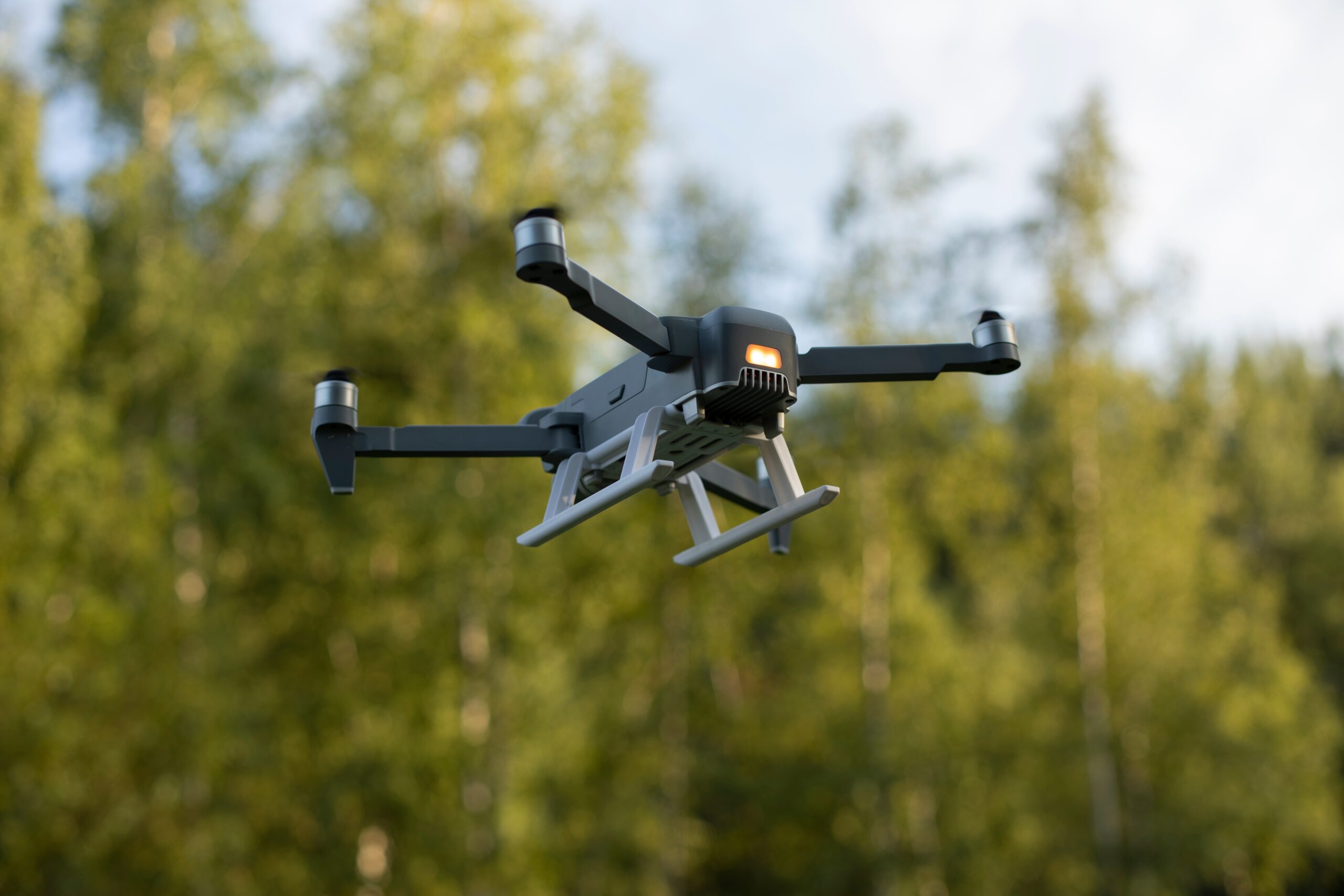
Europe is exploring the creation of a “drone wall” along its eastern border to counter Russian unmanned aerial threats. The initiative, championed by the Baltic states and backed by EU leaders including Ursula von der Leyen and defence commissioner Andrius Kubilius, seeks to deploy a multilayered system called Eirshield, developed by Estonian firm DefSecIntel and Latvia’s Origin Robotics.
Eirshield combines radars, cameras, and radio-frequency detectors with AI-driven automation to identify and neutralise hostile drones. It can jam signals, deploy intercepting drones, or use third-party gun systems to destroy targets, including fast-flying drones carrying warheads at speeds over 200 km/h. Some components are portable, and the system is designed to be cost-efficient, with interceptions costing tens of thousands of euros versus millions for conventional air defences. The system has already been deployed in Ukraine, providing practical experience against low-flying threats like Shahed drones.
For deployment in the Baltics, the technology will need adjustments to meet NATO standards and peacetime rules, including less-lethal interception options such as nets or small drones. National militaries will determine the precise combination of detection and response tactics. The drone wall is intended to complement, not replace, existing air defence systems.
Funding remains a key hurdle. The EU Commission rejected a €12 million joint proposal from Estonia and Lithuania in August, though all three Baltic governments have allocated national budgets to the project—€12 million from Estonia, €10 million in research contracts from Latvia, and €3 million of previous EU drone funds in Lithuania. With technology already partially deployed and demonstrations planned, the feasibility of the drone wall now depends on broader EU commitment and integration into NATO defence frameworks.