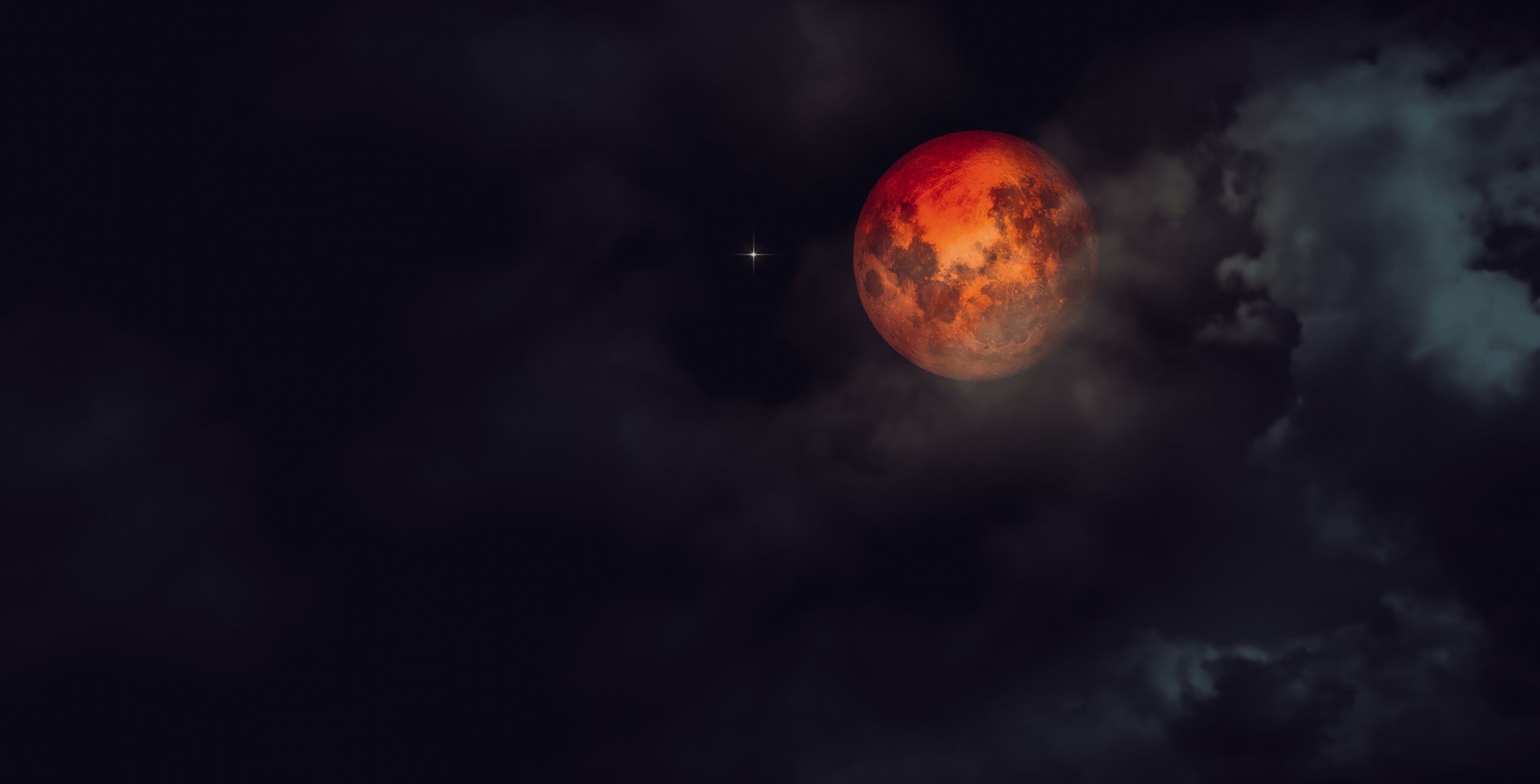
This Sunday, 7 September, a total lunar eclipse—commonly called a blood moon—will be visible across many parts of Europe. During the 82-minute event, the Earth will pass directly between the sun and the moon, casting a shadow that leaves only red light refracted through the atmosphere, giving the moon its characteristic crimson hue.
Throughout history, blood moons have carried vastly different meanings. In ancient Babylon, China, and Central America, they were often interpreted as ominous signs—foretelling death, war, or disaster. Conversely, the Batammaliba people of West Africa view them as opportunities for renewal, resolving conflicts, and harmonizing community life.
Today, perspectives remain divided. Astronomers like Dr Florian Freistetter emphasize the event’s natural wonder, noting that eclipses are visually striking but scientifically well understood. For them, the blood moon is a chance to appreciate the cosmos without attaching mystical significance.
Astrologers, however, interpret lunar eclipses as symbolic moments for reflection and change. Silke Schäfer and Markus Jehle stress that astrology operates through correlations and archetypes rather than causal mechanics. They argue that planetary positions reflect cycles observable in nature, history, and human life, offering a structured interpretive system developed over millennia. Even historical leaders, such as France’s former president François Mitterrand, consulted astrologers on both personal and state matters.
Whether one sees the blood moon as an omen, a turning point, or simply a celestial spectacle, the event offers a shared moment to look skyward. As Freistetter notes, the Earth’s unique position makes such eclipses possible—a reminder of the beauty and scale of the universe. Statistical studies confirm there is no link between blood moons and disasters, leaving Europeans free to enjoy the phenomenon as a rare and remarkable natural display.