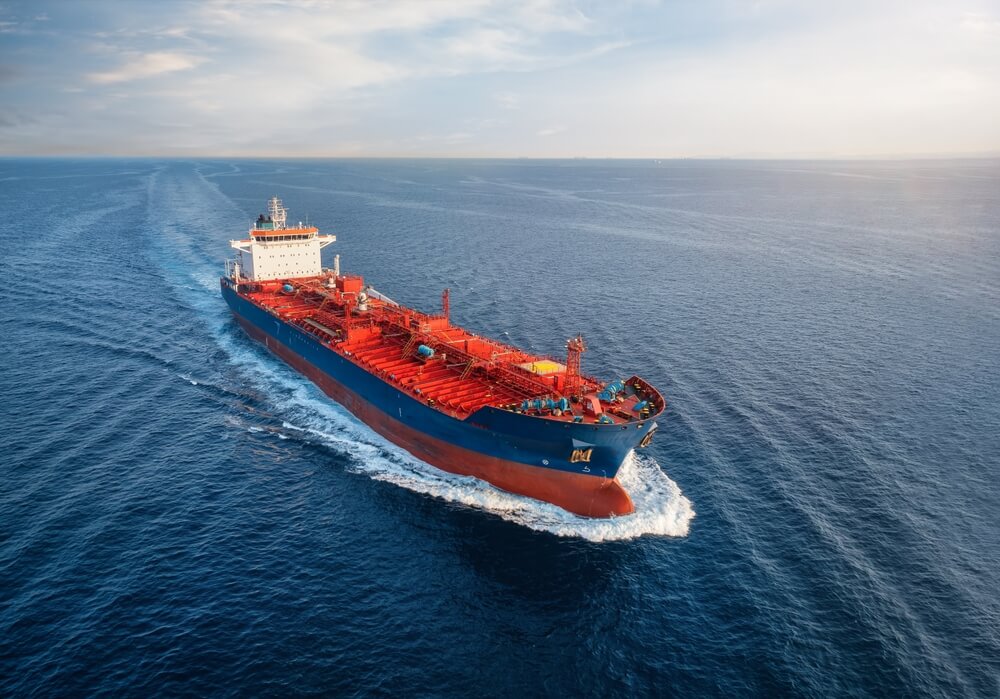
The United States has seized another tanker attempting to transport Venezuelan oil in defiance of US sanctions, marking the fifth such interception in recent weeks. The vessel, named Olina, is part of what authorities describe as a “ghost fleet” — ships that conceal their identities or national registration to illegally move oil from Venezuela.
Ghost Fleet Targeted
US Homeland Security Secretary Kristi Noem called the seizure a significant step in cracking down on these clandestine operations. She stated that the Olina had left Venezuelan waters attempting to evade US forces and warned that such ships would not “outrun justice.” The operation underscores the US government’s determination to enforce its embargo on Venezuelan oil exports. The interception involved careful coordination between the US Coast Guard and naval forces, who tracked the ship as it tried to conceal its movements. More details are available from euronews.
The “ghost fleet” tactic has become increasingly common, with vessels frequently using false flags or hidden identities to transport embargoed oil. Analysts warn that these practices complicate international maritime enforcement, as many ships operate in legal gray zones while moving contraband under the radar.
Military Coordination and Seizure
US Southern Command (SOUTHCOM) reported that Marines and Navy personnel participated in a pre-dawn operation, launching from the USS Gerald R. Ford, the world’s largest aircraft carrier. Footage from the mission showed US forces rappelling from helicopters to board and secure the ship, demonstrating the high level of coordination and planning required for such maritime operations. ChannelNewsAsia reported that this seizure follows several similar operations in the Caribbean, where US forces have been striking suspected drug-trafficking vessels and enforcing the embargo on sanctioned oil shipments.
The use of military force highlights the strategic importance of controlling the flow of Venezuelan oil, which has long been a source of revenue for the Maduro regime. Analysts suggest that repeated interdictions could disrupt oil supply chains and put additional pressure on Caracas.
Trump Signals Prolonged US Oversight
President Donald Trump announced last month that he had authorized a naval blockade to stop sanctioned oil from reaching international markets. Among the previously seized vessels was a tanker with alleged Russian connections, an action that drew condemnation from Moscow. Trump has indicated that US involvement in overseeing Venezuela’s oil exports could extend well beyond initial expectations. In a recent interview, he stated that the period of potential control could be “much longer” than a few months, signaling a willingness to maintain sustained pressure on the Maduro government. Additional reporting on these developments is available from InfoMarine.
Experts note that these actions could escalate tensions in the Caribbean, with Venezuela and its allies likely to view the repeated interceptions as a direct challenge to sovereignty. The US naval presence in the region remains substantial, with multiple task forces patrolling the waters to monitor and intercept any vessels suspected of violating sanctions. Meanwhile, international observers are watching closely, aware that the ongoing operations could have far-reaching implications for global oil markets and regional stability.
The seizure of the Olina reinforces the message that the United States is committed to enforcing sanctions and maintaining oversight of Venezuelan oil exports, sending a strong signal to other operators considering similar “ghost fleet” tactics.