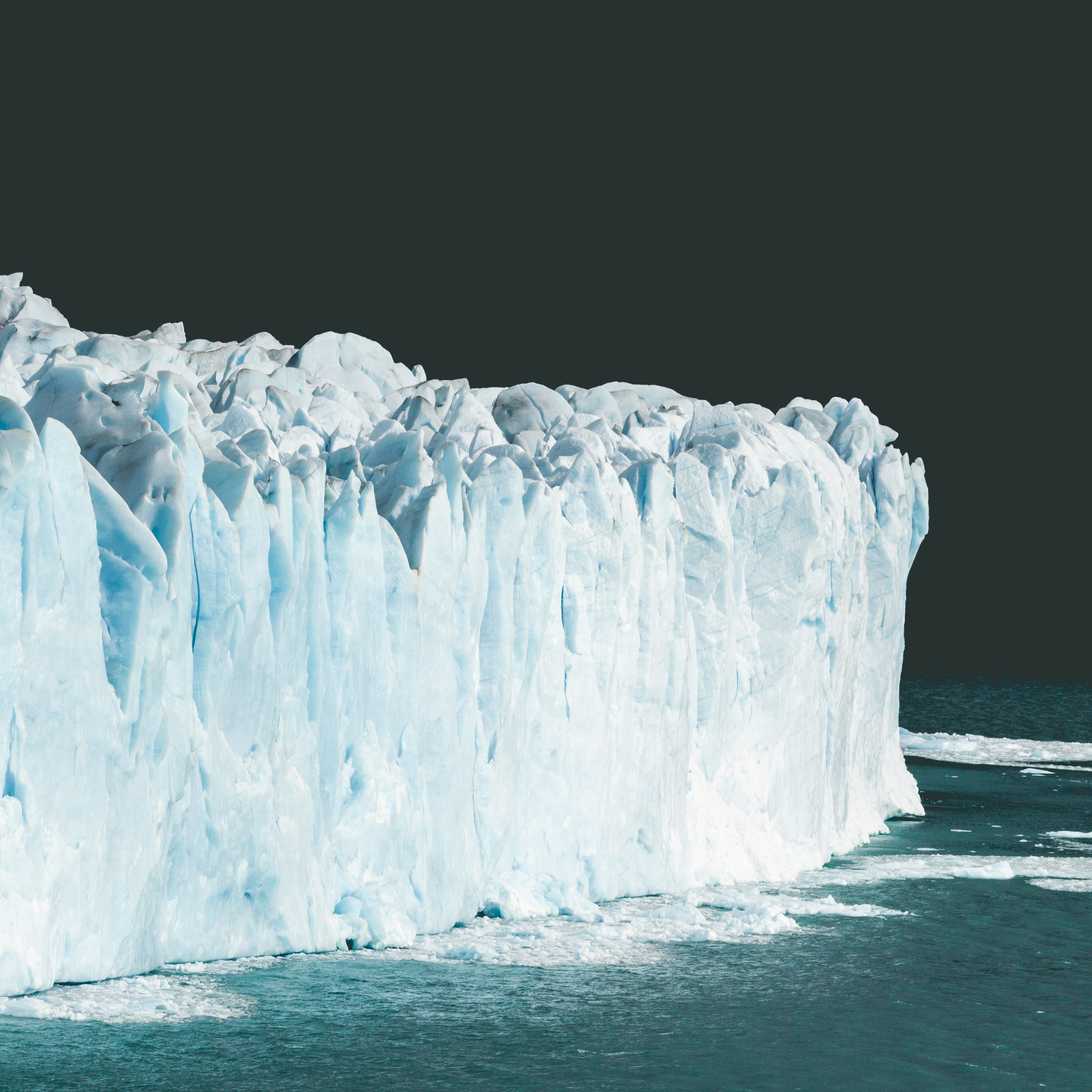
Antarctic “megaberg” A23a rapidly breaking apart
Nearly 40 years after detaching from Antarctica, one of the largest and oldest icebergs on record, A23a, is now disintegrating in warmer waters and may vanish entirely within weeks.
Earlier this year, the colossal iceberg weighed just under a trillion tonnes and was more than twice the size of Greater London, making it one of the most massive ice formations ever observed.
The giant slab of freshwater ice was so vast that it briefly threatened penguin feeding grounds on a remote South Atlantic island, before drifting away.
Rapid fragmentation
Satellite analysis by the EU’s Copernicus Earth observation system shows A23a has shrunk to less than half its original size, yet it still measures 1,770 sq km (683 sq miles) with a width of 60 km (37 miles). In recent weeks, enormous sections—each roughly 400 sq km—have broken off, while smaller fragments, still large enough to pose hazards to shipping, litter the surrounding waters.
Andrew Meijers, a physical oceanographer with the British Antarctic Survey, described the iceberg as “breaking up fairly dramatically” as it moved northward. “It’s basically rotting underneath. The water is far too warm for it to hold together. The melting is constant,” he said. “I expect it won’t be really identifiable within a few weeks.”
Four decades of drift
A23a calved from the Antarctic ice shelf in 1986 and remained grounded in the Weddell Sea for more than 30 years. It finally broke free in 2020 and was carried along “iceberg alley” by the Antarctic Circumpolar Current into the South Atlantic Ocean.
In March, the iceberg ran aground near South Georgia island, raising concerns that it could disrupt feeding patterns for local penguin and seal populations. It eventually freed itself in late May and continued drifting north.
Satellite images show that in recent weeks, the iceberg has accelerated, sometimes covering up to 20 km in a single day. Exposure to warmer waters and massive waves has caused it to fragment rapidly.
A rare survivor
Scientists expressed surprise at how long A23a has persisted. “Most icebergs don’t make it this far. This one’s really big, so it has lasted longer and traveled further than others,” Meijers said. Nevertheless, once icebergs leave the icy Antarctic waters, their fate is sealed.
While iceberg calving is a natural phenomenon, researchers note that the rate of ice loss from Antarctica is rising, likely accelerated by human-induced climate change.