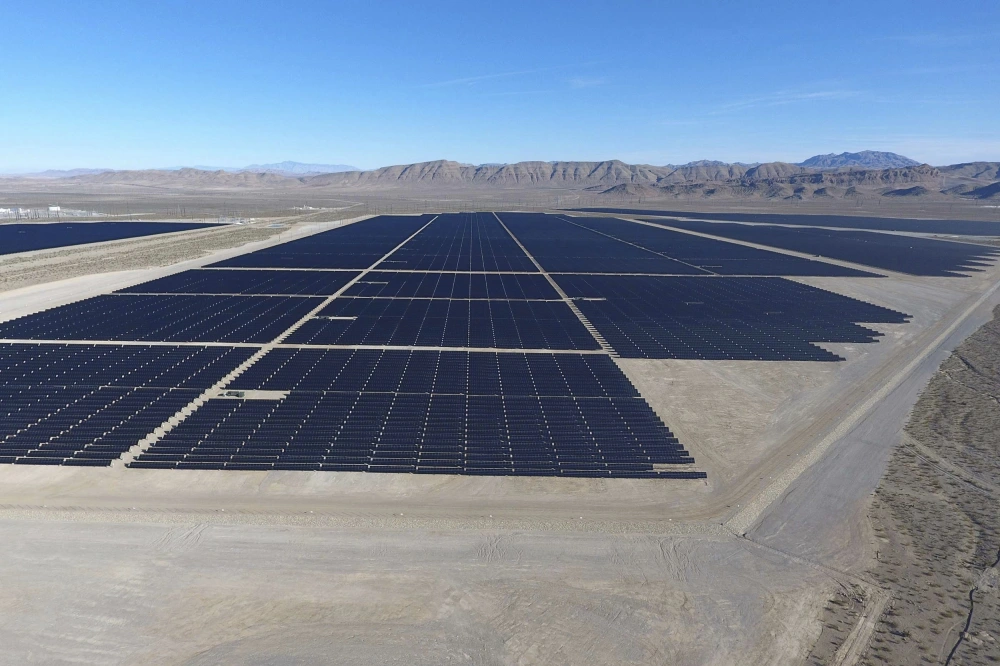
The U.S. solar infrastructure expansion is reaching record levels as regulators certified the environmental review for the country’s largest solar farm. This approval clears the way for a major clean energy and grid storage development, marking a significant milestone in the nation’s renewable energy growth.
Officials highlighted that the project will add substantial solar capacity to the regional grid, supporting carbon reduction targets and energy transition goals. The approval also underscores the growing momentum behind large-scale renewable energy infrastructure in the United States.
The new solar farm is expected to provide clean electricity for millions of homes and businesses while strengthening grid reliability. Advanced storage solutions will allow solar power to be used even when the sun isn’t shining, helping stabilize electricity supply and reduce reliance on fossil fuels.
Experts noted that this U.S. solar infrastructure expansion sets a precedent for future projects. Streamlined regulatory approvals, technological advancements, and corporate partnerships are making large-scale solar development more feasible and efficient than ever before.
The environmental review ensured that the project meets strict standards to protect ecosystems and minimize land use impacts. Authorities emphasized that responsible planning and sustainability measures are central to the expansion, balancing energy growth with environmental stewardship.
The project is part of a broader wave of solar infrastructure expansion across the United States. Both private and public sector investments are driving the deployment of utility-scale solar farms and associated storage systems, contributing to the country’s transition to clean energy.
Community engagement is also a key focus. Local stakeholders are being consulted throughout development to ensure benefits such as job creation, economic growth, and minimal environmental disruption. Public input has helped shape mitigation strategies for wildlife, water resources, and surrounding habitats.
Analysts point out that projects of this scale demonstrate the U.S.’s commitment to renewable energy leadership. By combining large-scale solar production with grid storage, the expansion addresses critical challenges in energy reliability, climate mitigation, and sustainable growth.
Looking ahead, authorities expect that the project will accelerate similar initiatives across the country. Plans for new solar farms, energy storage facilities, and clean energy innovations are expected to follow, further reinforcing the U.S. solar infrastructure expansion and helping meet national carbon reduction targets.
Overall, the approval of the largest solar farm in U.S. history highlights how U.S. solar infrastructure expansion is entering a new era. By combining clean power, storage solutions, and responsible planning, the project sets the stage for a sustainable energy future and strengthens the country’s position in the global clean energy transition.