Immediate Tariff Increase
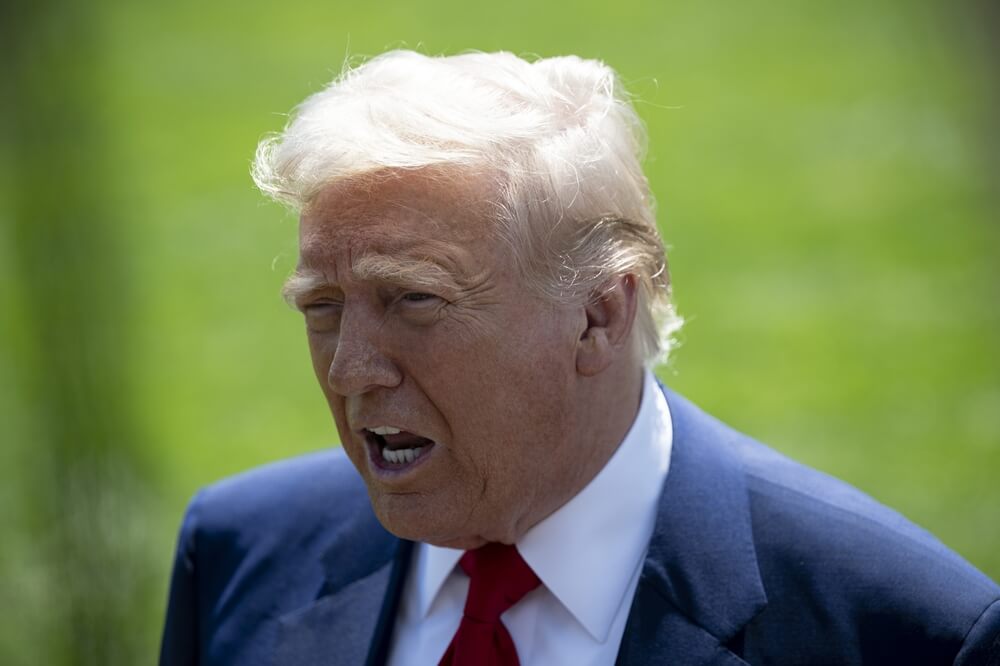
US President Donald Trump announced an immediate rise in global tariffs from 10% to 15%, just one day after the Supreme Court struck down his broad use of emergency powers for import taxes. Trump framed the move as protecting American interests, claiming other legal avenues remain available to enforce tariffs despite the court ruling.
Legal Limits and Alternatives
The Supreme Court ruled 6–3 that only Congress has the authority to levy taxes and tariffs, with Chief Justice John Roberts emphasizing that the Constitution does not grant this power to the executive branch. The White House plans to rely on other trade statutes, such as Section 301 and Section 122 of the Trade Act of 1974, which allow targeted tariffs or temporary surcharges but come with stricter limits and timeframes than the previously used emergency powers.
Ongoing Challenges and Market Reactions
Trump’s tariff policies have prompted lawsuits from states and businesses challenging their legality. While some tariffs remain in effect, questions about refunds and further legal disputes continue. Despite public skepticism and concerns over affordability, the administration insists it will pursue all available legal channels to maintain trade protections and retaliatory measures.