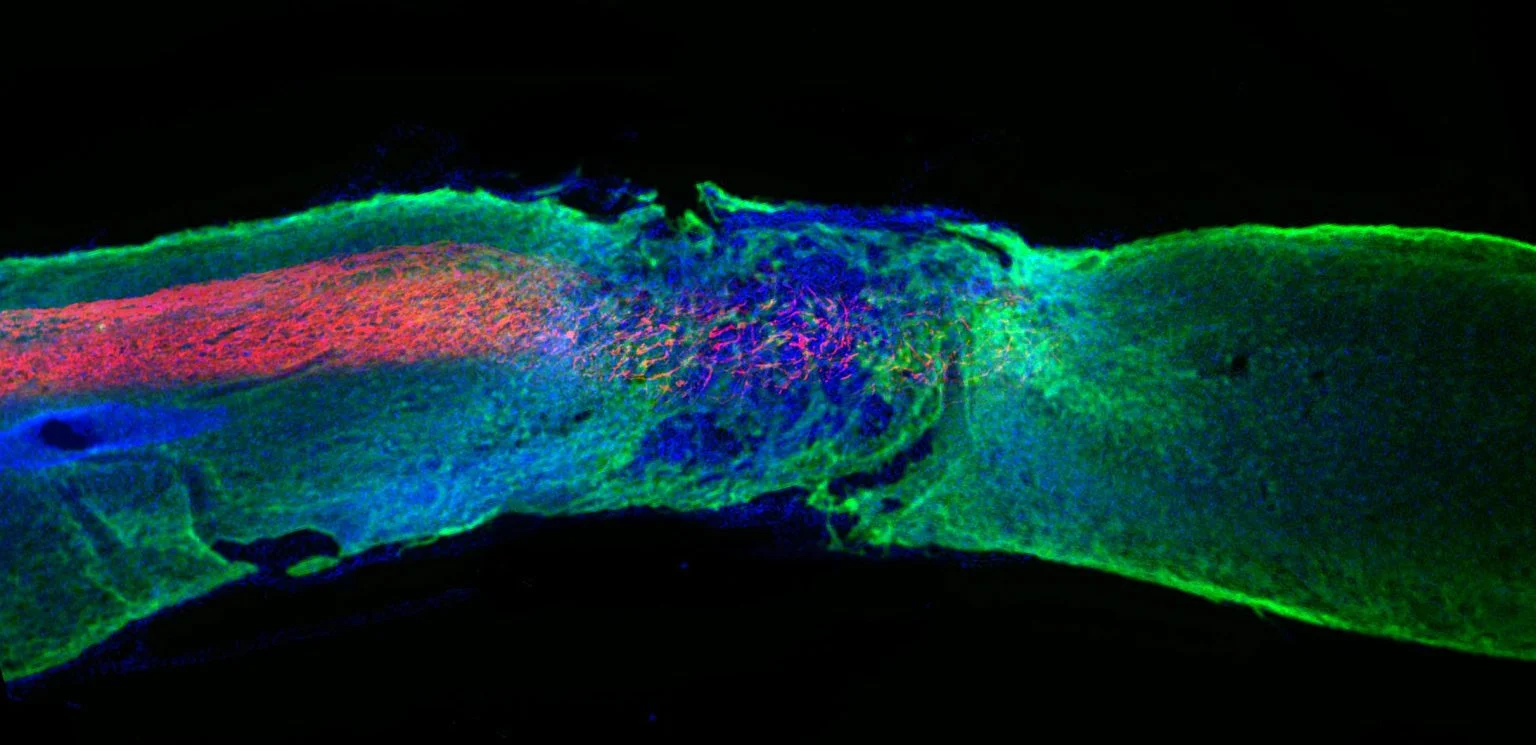
Researchers at Cedars-Sinai have discovered spinal cord repair cells that may help the body heal damage from paralysis or stroke. This finding could pave the way for future therapies targeting spinal injuries and neurological damage.
The study identified a type of support cell in the spinal cord that plays a critical role in tissue repair. By understanding how these cells work, scientists hope to develop treatments that stimulate natural recovery after injury.
Spinal cord injuries and strokes can leave patients with lasting disabilities, often limiting movement and independence. Current treatments focus on rehabilitation and symptom management. The discovery of repair-linked cells offers a new direction for regenerative therapies.
Researchers observed that these support cells respond to injury by activating repair processes. In lab studies, they promoted nerve growth and improved cell survival, suggesting that harnessing their function could restore function in damaged spinal tissue.
The findings highlight the potential of cellular therapies for neurological conditions. By targeting these repair cells, scientists could design treatments that enhance natural healing, reduce long-term disability, and improve quality of life for patients.
Cedars-Sinai researchers say that further studies are needed to understand how to safely stimulate these cells in humans. Clinical trials will be essential before therapies can be developed, but the discovery marks a significant step forward in spinal cord research.
This breakthrough aligns with a growing trend in regenerative medicine. Scientists are increasingly exploring how the body’s own cells can repair damage, offering alternatives to invasive surgeries or long-term drug treatments.
Experts note that spinal cord repair cells may also have applications beyond paralysis and stroke. They could potentially aid recovery from traumatic injuries, neurodegenerative diseases, and other conditions that affect the spinal cord.
The discovery underscores the importance of continued research in neuroscience. Mapping the behavior of repair cells and understanding their molecular pathways could unlock new treatment possibilities for millions worldwide.
By revealing how the spinal cord can activate its own repair mechanisms, the study provides hope for therapies that restore function rather than just manage symptoms. Patients with spinal injuries may one day benefit from treatments that directly repair damaged tissue.
Cedars-Sinai’s research team emphasizes collaboration and innovation as key factors in this discovery. Combining cellular biology with advanced imaging and laboratory models allowed them to identify the cells and observe their repair functions.
The spinal cord repair cells discovery offers a new avenue for medical research and potential therapies. As understanding grows, it could transform how paralysis, stroke, and spinal injuries are treated, giving hope to patients and families worldwide.