SpaceX Surpasses $1 Trillion in Valuation
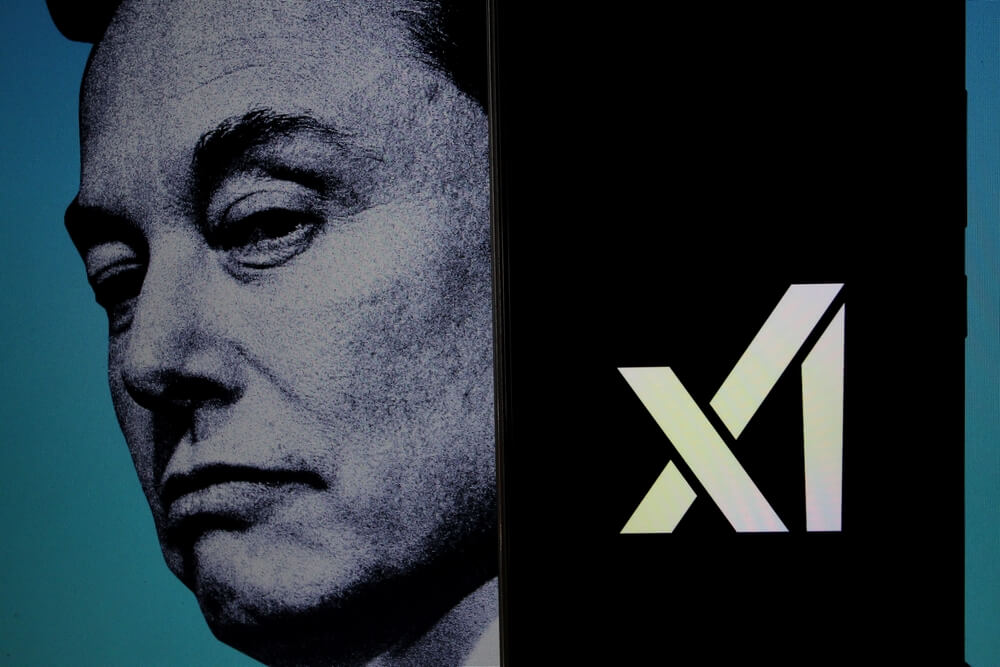
Elon Musk’s SpaceX has reached a $1.25 trillion (€1.06tn) valuation following its merger with AI venture xAI, closing in on Tesla’s $1.58 trillion (€1.34tn) market capitalisation. The move shifts the focus of Musk’s wealth from electric vehicles to space and artificial intelligence, highlighting how his business empire is evolving. On paper, SpaceX now accounts for a larger share of Musk’s fortune than Tesla.
Tesla Faces Slower Growth and Market Pressures
Tesla’s performance has softened in early 2026, with shares down around 6% after reporting a 16% drop in January vehicle deliveries and a 3% decline in 2025 revenue — the first annual revenue fall in its history. The company is feeling pressure from rising competition in Europe and China, as well as the end of federal EV tax credits in the US. Political controversies surrounding Musk have also weighed on the brand’s perception. In response, Tesla is pivoting toward robotaxi services and its Optimus humanoid robots, while discontinuing Model S and X production lines, which accounted for less than 3% of deliveries last year.
SpaceX Strengthens While xAI Faces Regulatory Challenges
In contrast, SpaceX continues to dominate its core markets. The company remains the leading provider of orbital launch services, backed by multi-billion-dollar contracts with NASA and the US Department of Defense, and operates the Starlink satellite network with over 9,000 satellites and roughly nine million users. The merger values SpaceX at $1 trillion (€847bn) and xAI at $250 billion (€212bn), with Musk planning space-based data centres to address Earth’s energy constraints.
However, the deal carries potential risks. SpaceX profits may be diverted to fund xAI infrastructure, and the AI company faces scrutiny in multiple countries over its Grok image generator and social media operations. French authorities recently raided X’s offices amid a probe into alleged algorithmic abuse. Legal experts warn that these issues could affect SpaceX as well, especially given its international operations. While these risks are manageable while SpaceX remains private, a future public listing could force investors to weigh its high valuation against mounting regulatory and political challenges.