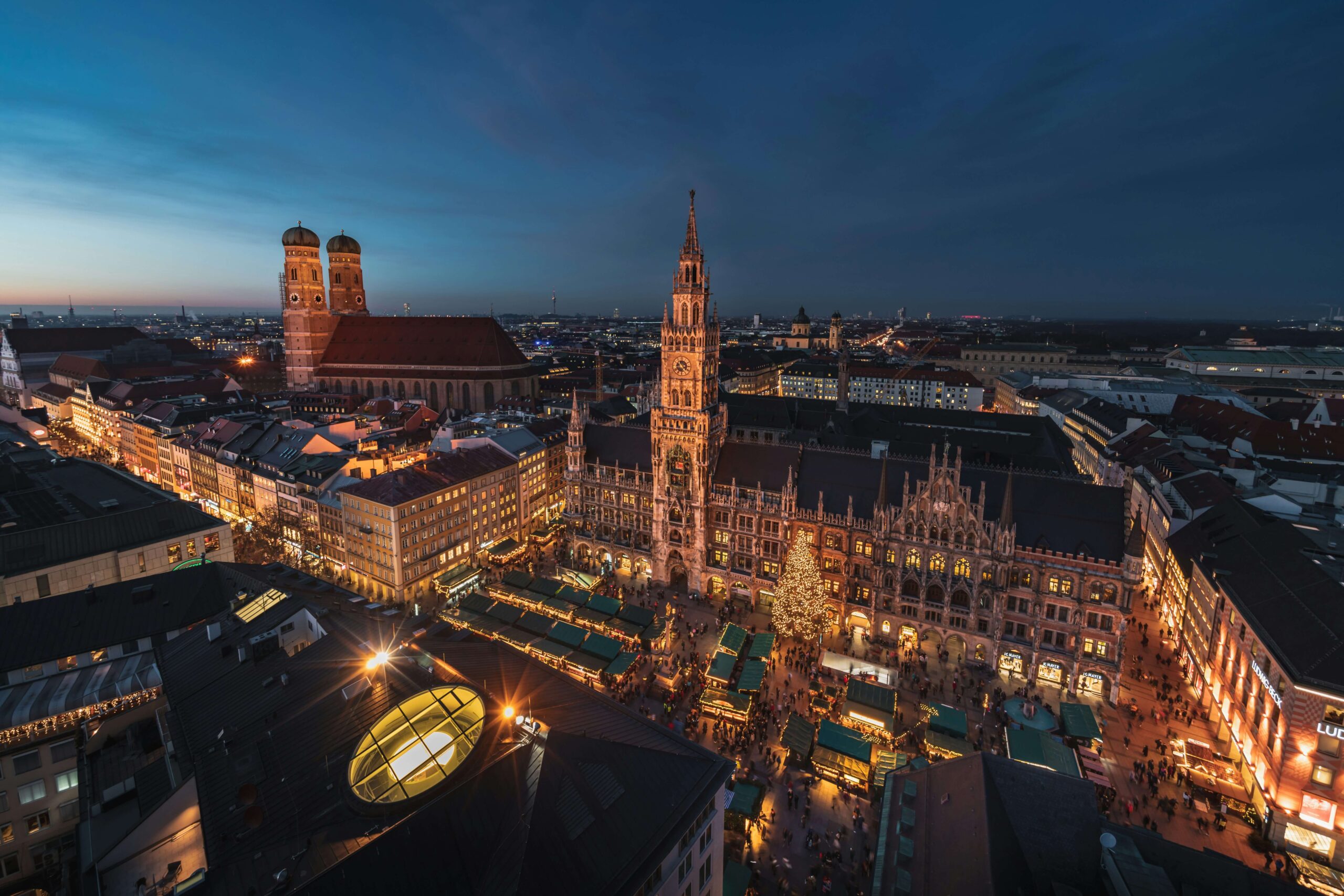
Competing Visions of the West
This year’s Munich Security Conference made one thing clear: the West is debating not just policy, but identity. Over three days, senior officials from the United States, Ukraine and across Europe laid out sharply different ideas about what the Western alliance represents — and whether it is in decline.
U.S. Secretary of State Marco Rubio urged Europeans to help “save” what he described as a shared civilisation. He argued that America has no interest in politely managing what he sees as the West’s gradual decline. While his tone was calmer than last year’s speech by Vice President JD Vance, the message was similar: the West, in his view, has weakened itself through misguided policies and must change course.
European leaders pushed back. Ursula von der Leyen said she felt reassured about transatlantic ties after Rubio’s remarks, but EU foreign policy chief Kaja Kallas firmly rejected the idea that Europe needs rescuing. She dismissed claims that the European Union is sliding into irrelevance, insisting the bloc remains resilient and capable of shaping its own future.
Meanwhile, Ukrainian President Volodymyr Zelenskyy used the stage to press Europe to set a clear date for Ukraine’s EU accession, suggesting the country could be technically ready by 2027.
Ukraine and the Question of Peace Talks
Zelenskyy also voiced frustration over Europe’s limited role in U.S.-brokered talks with Russia. He called Europe’s absence from the negotiating table a “big mistake,” noting that European countries are now Ukraine’s largest financial and military backers and would bear much of the responsibility for any future security guarantees.
French President Emmanuel Macron has attempted to reopen dialogue with Moscow, though with little visible progress. Lithuanian President Gitanas Nausėda bluntly observed that Russian President Vladimir Putin appears unwilling to engage with Europe directly, while Washington has allowed that dynamic to continue.
Germany’s new chancellor, Friedrich Merz, struck a somber tone, declaring that the post–World War II world order “no longer exists.” In his view, the era of a rules-based system led by a unified West has given way to hard-edged great-power politics. Europe, he warned, must show resolve if it wants to defend its freedom in this new environment.
Security, Nuclear Debate and Greenland Tensions
Security dominated much of the conference discussion. Macron revealed that France has opened strategic talks with Germany about how its nuclear deterrent could fit into Europe’s broader defence posture. The debate comes as doubts grow about the long-term reliability of U.S. security guarantees under President Donald Trump, who has repeatedly accused Europe of underinvesting in its own defence and threatened drastic moves, including taking control of Greenland.
Danish Prime Minister Mette Frederiksen said Trump’s interest in Greenland has not faded, though tensions have eased somewhat following NATO mediation. Greenland’s Prime Minister, Jens-Frederik Nielsen, called the pressure “unacceptable” but affirmed the island’s commitment to the alliance.
Von der Leyen, for her part, argued that the EU must give real weight to its own mutual defence clause — Article 42(7) — if it wants to be taken seriously as a security actor. The European Union has already launched an €800 billion defence readiness plan, but she stressed that mutual defence will only be credible if backed by both trust and military capability.
Taken together, the speeches in Munich painted a picture of a Western alliance in transition — grappling with internal disagreements, external threats and a rapidly shifting global order.