Turning a Scientific Breakthrough into an Energy Strategy
European lawmakers are calling on the EU to take nuclear fusion out of the lab and into the real world. In a declaration released on Tuesday, members of the European People’s Party urged the European Commission to unlock fusion’s potential by creating a clear and predictable regulatory framework that would give investors the confidence to back the technology. They argue fusion could play a major role in strengthening Europe’s long-term energy security and competitiveness.
The message was delivered during a public hearing at the European Parliament, where MEPs stressed that fusion projects will require enormous investment and cannot move forward without firm political support. The declaration comes as the Commission prepares to unveil its own fusion strategy, although officials have yet to share a timeline.
From Research Project to Industrial Opportunity
Lawmakers said fusion energy has reached a pivotal moment. According to the declaration, Europe’s industrial capacity and growing private investment interest are now aligning, but progress depends on stronger backing from policymakers. Bulgarian MEP Tsvetelina Penkova said it is time to stop viewing fusion as a purely academic pursuit.
German MEP Hildegard Bentele described fusion as Europe’s chance to transform scientific leadership into industrial power, while Belgium’s Pascal Arimont said the technology is no longer a distant dream. Instead, he argued, it represents a real opportunity to deliver clean, safe and reliable energy, provided it is developed, financed and deployed within Europe.
To make that possible, MEPs are asking the Commission to clarify how fusion should be regulated and to give member states flexibility over licensing, safety rules and permitting for future fusion power plants. They also want fusion clearly distinguished from nuclear fission under EU law.
Why Fusion Is Different from Traditional Nuclear Power
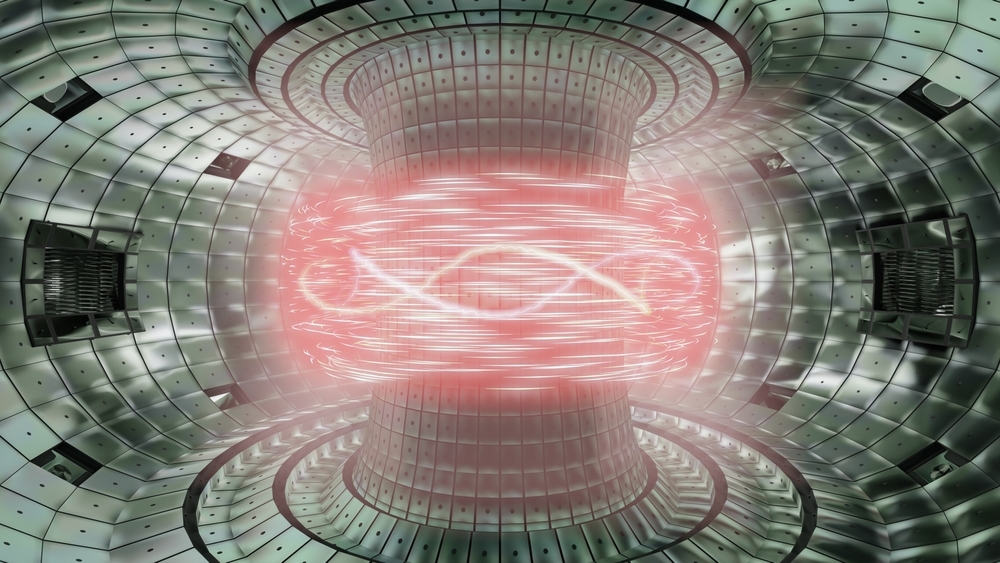
Fusion energy is the same process that powers the sun, created when two small atomic nuclei combine and release vast amounts of energy. This differs from nuclear fission, which produces power by splitting large atoms and is currently used in nuclear plants, but also generates radioactive waste. Fusion is widely seen as cleaner and safer, though it is still under development and not yet used for electricity production.
Momentum increased in 2022 when US scientists achieved a major breakthrough by producing more energy from a fusion reaction than was needed to trigger it. In Europe, Germany has emerged as a leader, striking a €7 billion deal with energy giant RWE to build a pilot fusion plant by 2035. German Chancellor Friedrich Merz has pledged to push for a supportive regulatory framework for fusion in Germany and across the EU, as Europe weighs whether this sun-powered technology could shape its energy future.