Brussels Prepared to Act Without Full G7 Unity
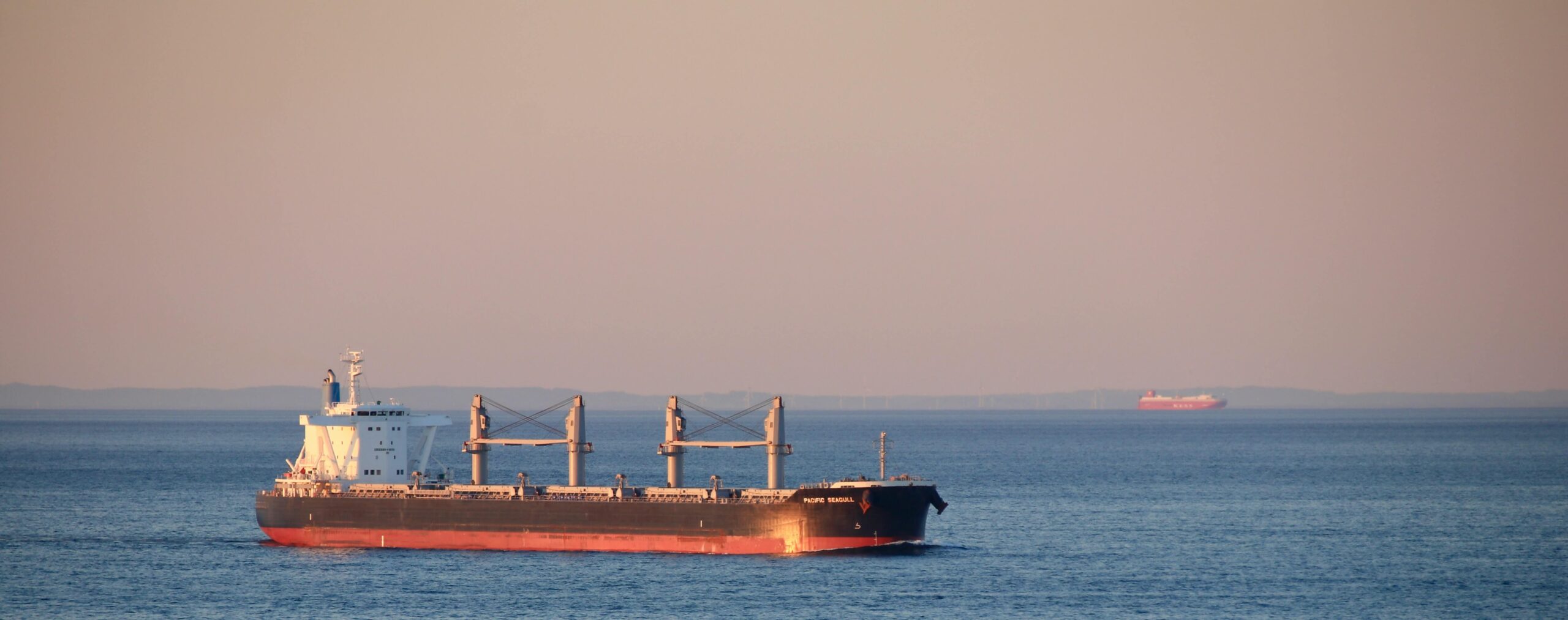
The European Union is ready to press ahead with a sweeping ban on maritime services for Russian oil tankers, even if it fails to secure backing from its G7 partners.
Valdis Dombrovskis said that while coordination with the G7 would be preferable, it is not an “absolute precondition” for action. The comments come as EU member states negotiate a 20th package of sanctions against the Kremlin, which Brussels hopes to finalise by 24 February — the fourth anniversary of Russia’s full-scale invasion of Ukraine.
If approved, the ban would effectively render the G7’s oil price cap meaningless within the EU. European companies would be barred from servicing Russian tankers altogether, no matter the price of the oil being transported. The current cap stands at $44.10 per barrel.
Dombrovskis acknowledged that a coordinated approach would carry more weight but made clear the bloc would not hesitate to move forward independently if wider agreement cannot be reached. His remarks mark a shift in tone, as the Commission had previously suggested it would wait for a collective G7 decision before implementing such a step.
Allies Divided as Talks Continue
It remains uncertain how many G7 countries are willing to follow the EU’s lead and abandon the price cap system introduced in December 2022.
Governments including the United Kingdom and Canada, along with Australia, have indicated they are aware of the proposal and remain in discussions. A spokesperson for the British Foreign Office said efforts are ongoing with EU and G7 partners to intensify economic pressure on Russia, particularly by targeting energy revenues.
The United States and Japan have not publicly responded.
Within the EU, concerns have also surfaced. Greece, home to one of the world’s largest shipping industries, has reportedly raised reservations. Diplomats say Athens fears a unilateral ban could strengthen competitors in India and China, embolden Russia’s so-called “shadow fleet,” and accelerate the practice of vessels switching registries — known as “deflagging” — to avoid restrictions.
Sweden’s finance minister has urged decisive action, arguing that while broader alignment is preferable, the EU must ultimately do what it considers necessary.
Kyrgyzstan Under the Microscope
Beyond oil measures, the proposed sanctions package includes the first activation of the EU’s Anti-Circumvention Tool. The mechanism would restrict exports of certain sensitive goods — including computer numerical control machines and radio equipment — to countries suspected of rerouting them to Russia.
Attention has focused on Kyrgyzstan, which shares a customs union with Moscow and has long been suspected of serving as a transit point for restricted items. Trade between the EU and Kyrgyzstan has surged dramatically since the invasion began. EU exports to the country jumped from €263 million in 2021 to €2.5 billion in 2024.
More than half of those exports consist of machinery and transport equipment — precisely the types of goods Brussels fears could be redirected to Russia and repurposed for military use in Ukraine. Kyrgyzstan’s foreign ministry has not commented.
EU ambassadors are expected to continue negotiations throughout the week, with the aim of sealing the sanctions package by the 24 February deadline, though diplomats acknowledge more time may be needed if divisions persist.