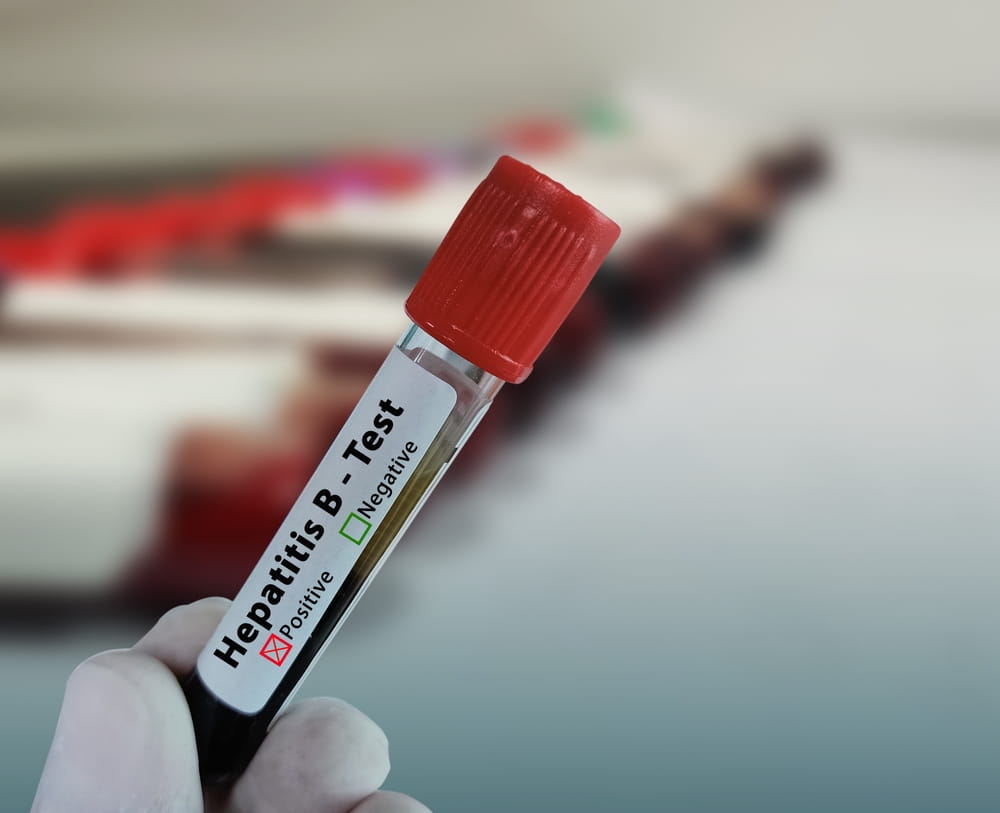
A controversial US-funded study on hepatitis B vaccines among newborns in Guinea-Bissau has been cancelled following widespread ethical concerns. The decision was confirmed by Yap Boum, a senior official at the Africa Centres for Disease Control and Prevention, who said the trial’s design raised serious ethical problems.
The $1.6m study, overseen under the authority of Robert F Kennedy Jr and the US Department of Health and Human Services, faced criticism for potentially withholding a proven hepatitis B vaccine from thousands of newborns in a country with a high disease burden. Boum said Africa CDC supported evidence-based research, but only when it met accepted ethical standards.
While US officials initially suggested the trial might proceed after redesign, senior officials in Guinea-Bissau later confirmed it had been cancelled outright because of ethical concerns. The country will continue its current vaccination schedule until a universal birth dose is introduced in 2027.
Medical ethicists and public health experts welcomed the decision. Paul Offit called the cancellation “extremely heartening”, while Boghuma Titanji described it as a win for ethical research in Africa, warning that the original study risked long-term harm by exploiting vaccine scarcity rather than addressing it.