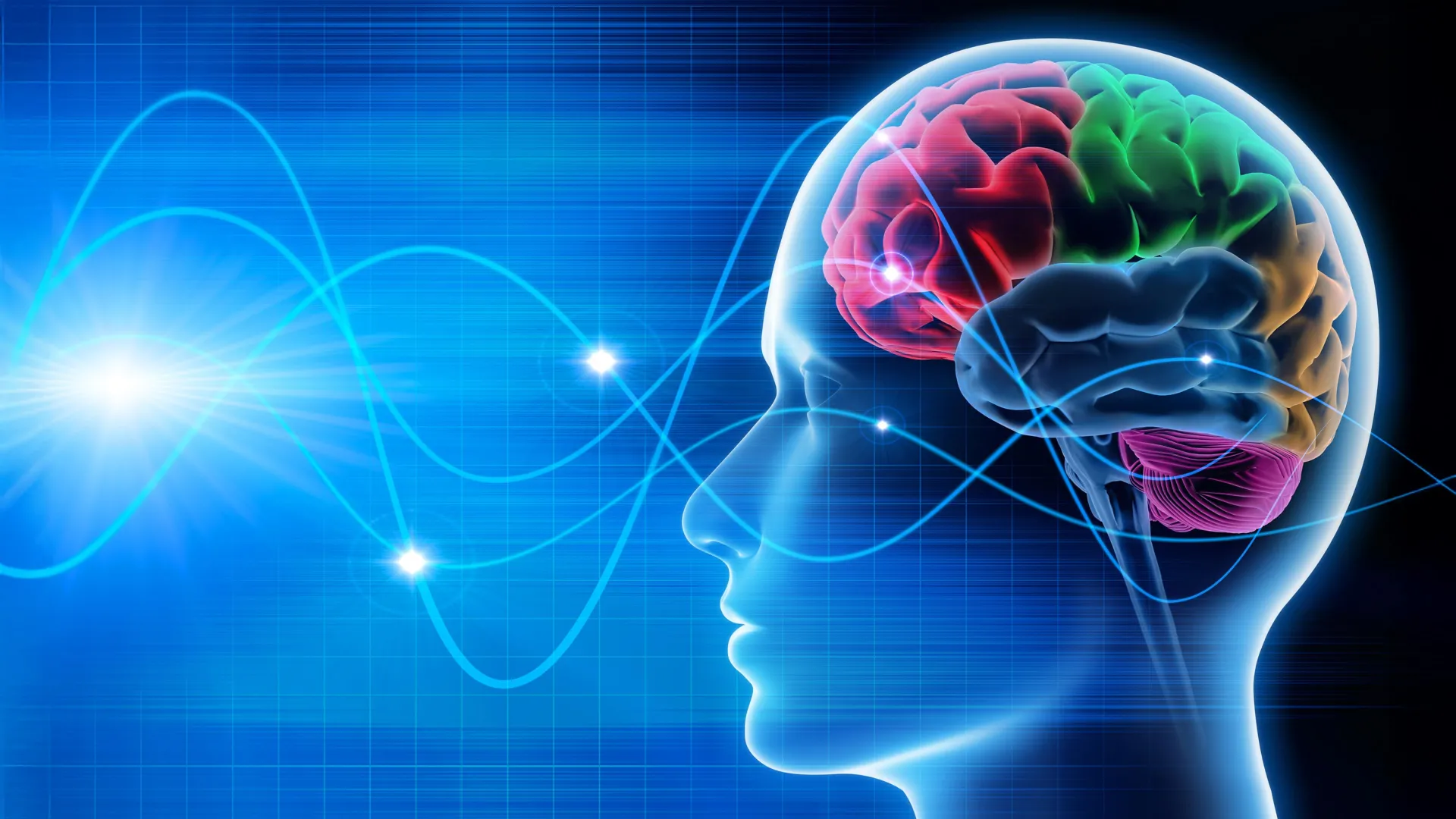
Recent research highlights how concentrated brain stimulation may improve treatment for mental health conditions. Scientists report that focused methods can provide faster and more effective relief for patients with depression, anxiety, and other neurological disorders.
Brain stimulation therapy benefits patients by targeting specific brain regions that regulate mood, thought, and behavior. Techniques like transcranial magnetic stimulation (TMS) are non-invasive and can be adjusted for intensity and frequency to suit individual needs.
In the study, participants received concentrated brain stimulation sessions over a short period. Researchers found that this approach led to notable improvements in symptoms compared to traditional, longer treatments. Many patients reported increased energy, better sleep, and an uplifted mood within days.
Experts say the therapy could transform mental health care. Standard treatments, including medication and talk therapy, often take weeks to show effects. Rapid brain stimulation can provide faster relief and help patients regain daily function more quickly.
The study also emphasizes safety and personalization. Clinicians monitor responses closely to adjust treatment levels. This ensures that patients receive maximum benefit while minimizing side effects.
Brain stimulation therapy benefits extend beyond depression. Research shows potential for anxiety, obsessive-compulsive disorder, and post-traumatic stress disorder. Early intervention using these methods may prevent conditions from worsening and reduce long-term health complications.
Dr. Samuel Lee, a lead researcher, said, “Our findings demonstrate that targeted brain stimulation can accelerate recovery in mental health. It represents a major step forward in neurological treatment.” He added that ongoing studies are exploring wider applications and long-term outcomes.
Community health programs may also benefit. Faster, effective treatments reduce the burden on clinics and allow more patients to receive timely care. Remote monitoring tools and guided sessions can make therapy accessible even in underserved areas.
While results are promising, experts caution that more research is needed. Large-scale clinical trials will confirm long-term safety and effectiveness. Individual responses vary, so careful supervision remains essential.
The research shows that combining brain stimulation with counseling and lifestyle adjustments can enhance overall outcomes. Patients may experience better emotional regulation, improved concentration, and greater motivation.
Brain stimulation therapy benefits mental health not just by reducing symptoms but by helping patients regain control of their lives. The therapy’s ability to deliver quick improvements may reduce hospitalizations and the need for intensive treatments.
If widely adopted, this innovation could become a standard part of psychiatric care. The study demonstrates scientific progress in neurological treatment and opens doors for new approaches to mental health challenges.