Melting Ice Opens New Routes — and New Risks
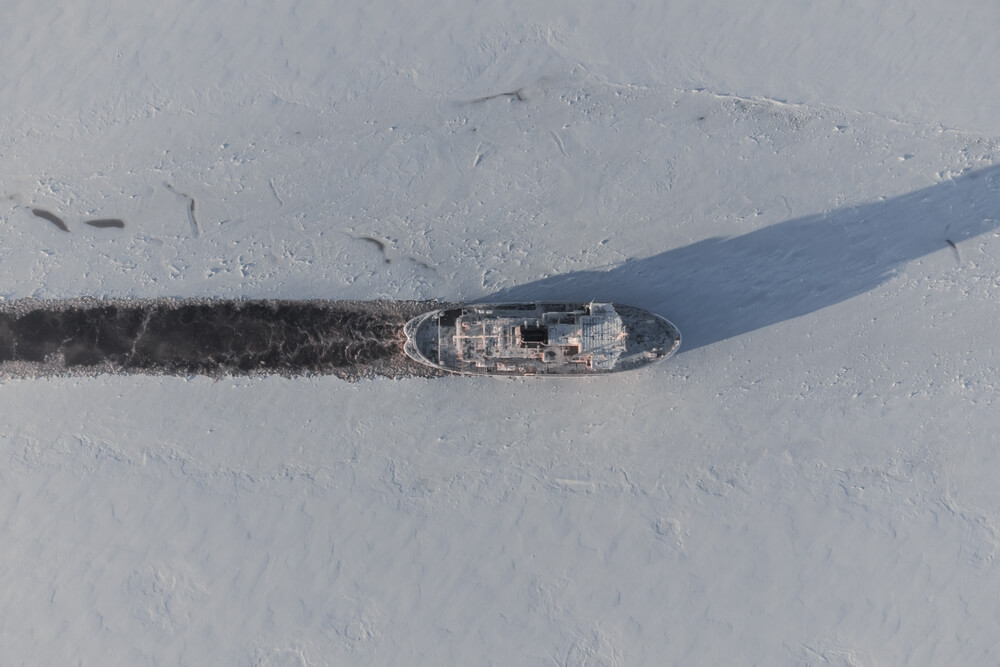
Rising global temperatures are rapidly shrinking Arctic sea ice, opening ocean routes that were once frozen year-round. As ships move into these newly accessible waters, they are bringing an unintended and damaging side effect: black carbon, a soot-like pollution released from ship exhaust. When this dark residue settles on snow and ice, it reduces their ability to reflect sunlight, causing them to absorb heat instead. The result is faster melting in a region already warming quicker than anywhere else on Earth. “It ends up in a never-ending cycle of increased warming,” says Sian Prior of the Clean Arctic Alliance, which is calling for urgent regulation of ship emissions in the region.
Push for Cleaner Fuels Meets Political Headwinds
Several countries, including France, Germany and Denmark, are now urging the International Maritime Organization (IMO) to require ships operating north of the 60th parallel to use cleaner “polar fuels” that emit less black carbon than traditional residual fuels. While a partial ban on heavy fuel oil came into force in 2024, loopholes and exemptions have limited its impact. Efforts to tighten regulations are unfolding against a backdrop of geopolitical tension, especially as Arctic security and sovereignty debates — reignited by former U.S. President Donald Trump’s comments on Greenland — have pushed environmental concerns down the agenda. Trump’s opposition to broader climate regulations has also slowed progress at the IMO, making swift action on Arctic pollution uncertain.
Shipping, Soot, and a Region Under Pressure
Arctic ship traffic has surged in the past decade. Between 2013 and 2023, vessel numbers north of the 60th parallel rose by 37%, while the total distance traveled more than doubled. Black carbon emissions have climbed alongside that growth, with fishing vessels emerging as the largest contributors. Environmental groups argue that fuel regulation is the only realistic way to cut pollution, since limiting ship traffic itself is politically and economically unfeasible. While some major shipping companies have pledged to avoid Arctic routes for now, the lure of shorter trade paths and natural resources remains strong — and with it, the growing threat of soot accelerating the Arctic’s melt.