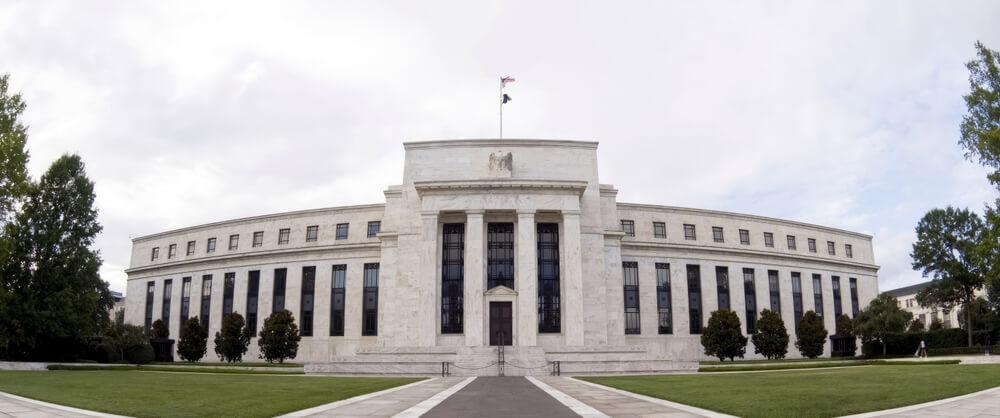
Why the Central Bank Hit Pause
The US Federal Reserve decided to keep interest rates unchanged this week, leaving its key rate at around 3.6% after three cuts last year. Officials pointed to a stabilising job market and stronger-than-expected economic growth, which they now describe as “solid” rather than “modest.”
With the economy expanding at a steady pace and hiring showing no signs of weakening, the Fed appears comfortable waiting before making any further moves.
Inflation Keeps Policymakers Cautious
While most Fed officials still expect borrowing costs to come down later this year, many want to see clearer progress on inflation first. The central bank’s preferred inflation gauge stood at 2.8% in November, slightly higher than a year earlier and still above the Fed’s 2% target.
Not everyone agreed with the decision to hold rates. Governors Stephen Miran and Christopher Waller voted in favour of another quarter-point cut. Miran, appointed by President Donald Trump, has consistently pushed for deeper reductions, while Waller is reportedly being considered as a possible successor to Fed Chair Jerome Powell when his term ends in May.
Political Pressure and the Road Ahead
The Fed’s decision is likely to draw renewed criticism from President Trump, who has repeatedly attacked Powell for not cutting rates more aggressively. This week’s meeting comes amid intense pressure from the White House, with Powell recently confirming the Fed received subpoenas from the Justice Department related to a criminal investigation into his testimony on a $2.5 billion building renovation.
Lower interest rates typically reduce borrowing costs for mortgages, car loans and business financing, though market conditions also play a role. The key question now is how long the Fed will stay on hold. The rate-setting committee remains divided between those who want to wait for inflation to cool further and those who believe additional cuts are needed to support jobs and growth.