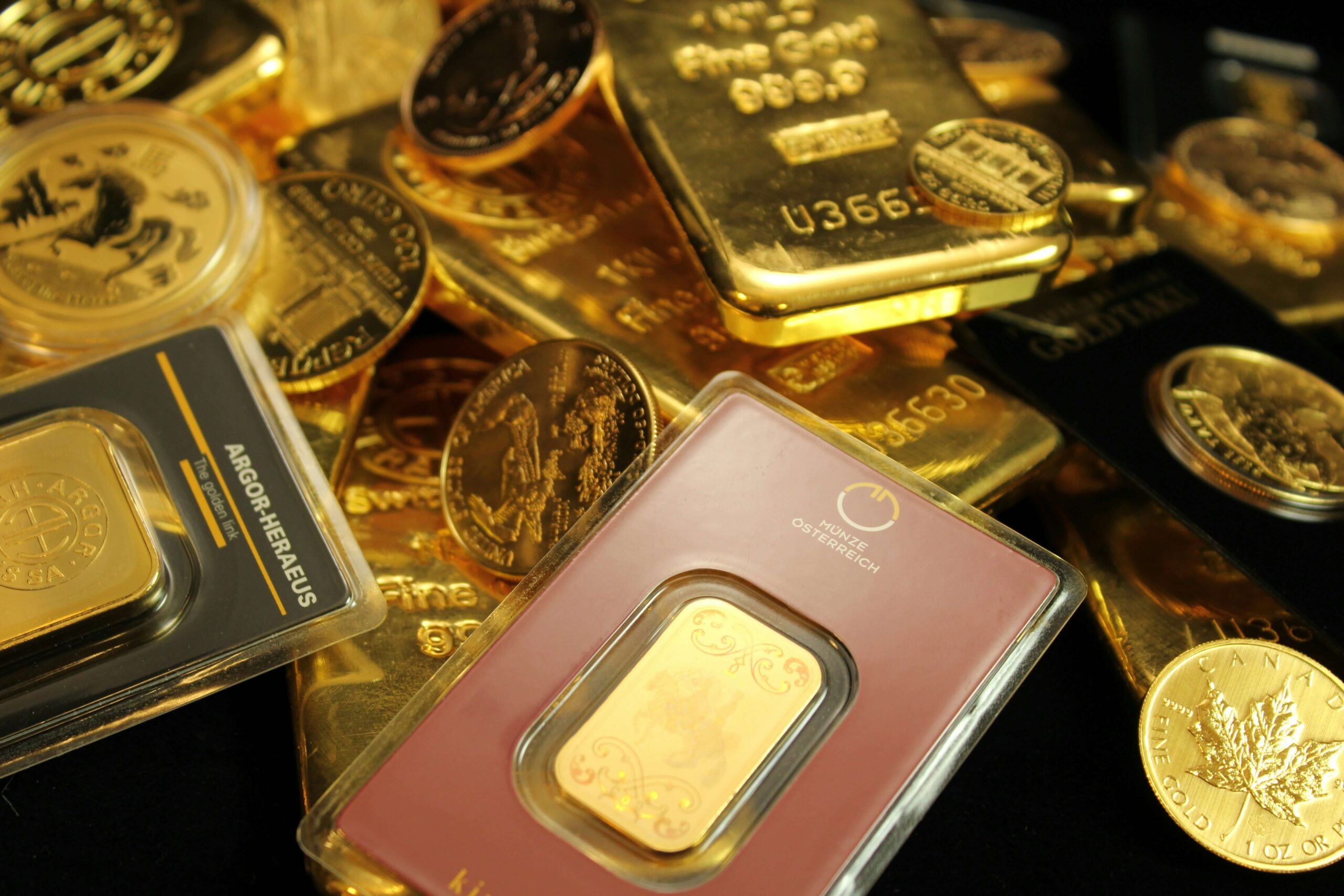
Poland’s central bank has sharply increased its gold holdings, lifting bullion reserves to around 550 tonnes with a value exceeding €63 billion. The move reflects a long-standing belief at the National Bank of Poland (NBP) that gold is a cornerstone of economic stability, particularly during times of global uncertainty.
Why Gold Matters to Poland
NBP president Adam Glapiński has repeatedly stressed that gold occupies a unique place in the country’s reserve strategy. Unlike many financial assets, gold carries no credit risk, is not tied to the monetary policies of other countries and tends to hold up during financial shocks.
Those qualities have driven a dramatic shift in Poland’s reserves. In 2024, gold made up just under 17% of foreign exchange reserves. By the end of December 2025, that figure had surged to more than 28%, one of the fastest increases seen among central banks worldwide. Most of the buying took place in the final months of 2025, amid heightened market volatility and geopolitical tension.
The central bank’s ambitions go even further. Poland is targeting 700 tonnes of gold, with the total value of its bullion reserves expected to reach around PLN 400 billion (€94 billion). Glapiński confirmed earlier this year that he would seek formal approval to continue expanding the stockpile.
Part of a Global Gold Rush
Poland’s strategy mirrors a wider international trend. According to the World Gold Council, central banks around the world continued to accumulate gold in 2025, treating it as a hedge against currency instability and financial crises. Almost all central banks surveyed expect global gold holdings to rise further in the year ahead.
Marta Bassani-Prusik from the Mint of Poland explains that gold’s independence from monetary policy and credit risk makes it especially attractive. Diversification also plays a key role, helping countries reduce their reliance on the dollar and other major currencies.
Some experts believe the true scale of gold buying may be even larger, as not all central banks fully disclose their purchases. Countries such as China and Russia are often cited, with some analysts suggesting these moves could point to future financial systems where gold plays a bigger role.
More Gold Than the ECB — and What Comes Next
Poland now holds more gold than the European Central Bank, whose reserves stand at about 506.5 tonnes. While the ECB oversees eurozone monetary policy, most gold is actually held by national central banks, making Poland’s position particularly striking within Europe’s financial landscape.
Critics argue that the funds used to buy gold could instead be invested in interest-bearing assets such as bonds. Gold, after all, does not generate income. Yet the timing of Poland’s purchases has coincided with record gold prices, and forecasts for 2026 remain upbeat. Major banks predict prices ranging from around $4,150 to as high as $5,300 per ounce under strong demand scenarios.
For the NBP, gold is less about short-term returns and more about long-term security. As market uncertainty grows and the global financial order continues to shift, Poland appears determined to keep gold at the heart of its economic defence strategy — and its buying spree may not be over yet.