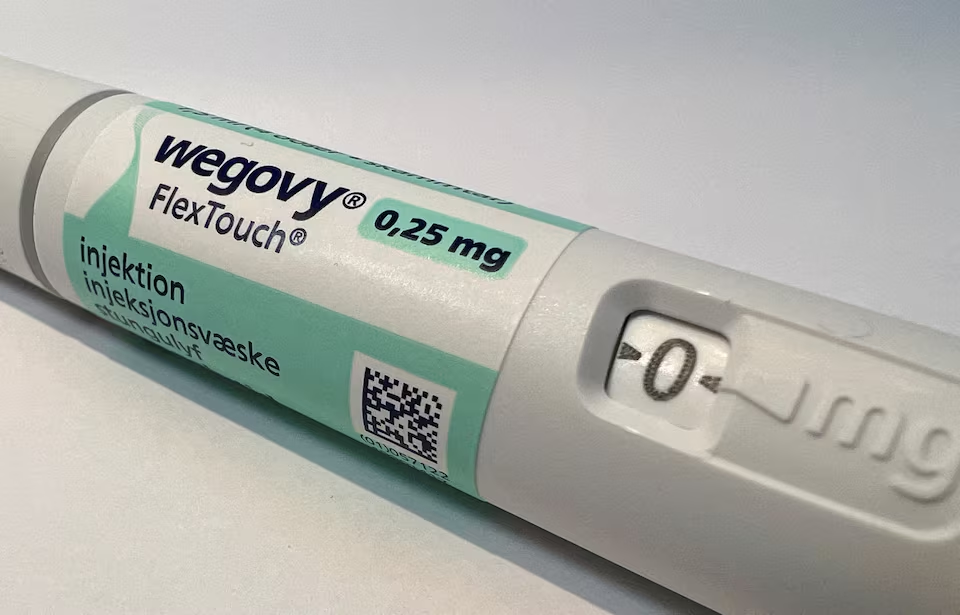
The U.S. government has reached a major agreement with pharmaceutical companies Eli Lilly and Novo Nordisk to lower the cost of popular weight-loss and obesity drugs. The initiative aims to make these treatments more affordable and accessible to millions of Americans.
Under the deal, patients can expect reduced out-of-pocket expenses and broader insurance coverage for these medications. Health experts say this move could significantly increase the number of people able to benefit from effective weight-management treatments.
The agreement highlights a growing focus on addressing obesity, which affects millions of Americans and contributes to serious health conditions like diabetes, heart disease, and high blood pressure. By lowering costs, the initiative removes a key barrier to treatment.
Industry analysts note that the deal is a win for patients and healthcare providers alike. Lower drug costs can encourage more consistent use, improving outcomes and reducing long-term healthcare expenses. Experts also expect the agreement to foster competition among drugmakers, potentially leading to further price reductions.
Eli Lilly and Novo Nordisk manufacture some of the most widely prescribed weight-loss drugs in the United States. These medications work by regulating appetite and metabolism, helping patients achieve sustainable weight loss when combined with diet and exercise.
Health officials emphasize that accessibility is critical. Many Americans who could benefit from these medications previously faced prohibitive costs, limiting their ability to manage obesity effectively. Expanded insurance coverage under the new agreement ensures that more patients can now access these treatments.
The U.S. government’s announcement also reflects broader policy efforts to address public health challenges. By partnering with leading pharmaceutical companies, officials aim to create more equitable access to treatments that can improve quality of life.
Experts predict that the initiative will encourage more Americans to seek treatment for obesity and related health conditions. Early intervention and consistent use of these medications, supported by affordable pricing, could help reduce the prevalence of obesity over time.
In addition to improving health outcomes, the agreement is expected to reduce financial strain on patients. Many individuals previously had to pay high prices out-of-pocket, which limited long-term adherence to treatment plans. The new pricing structure addresses this barrier directly.
Overall, the low-cost weight-loss drug deal represents a significant step forward in public health policy. By combining affordability, broader coverage, and effective medications, the U.S. government and pharmaceutical companies aim to help millions of Americans achieve healthier lifestyles and better long-term health outcomes.