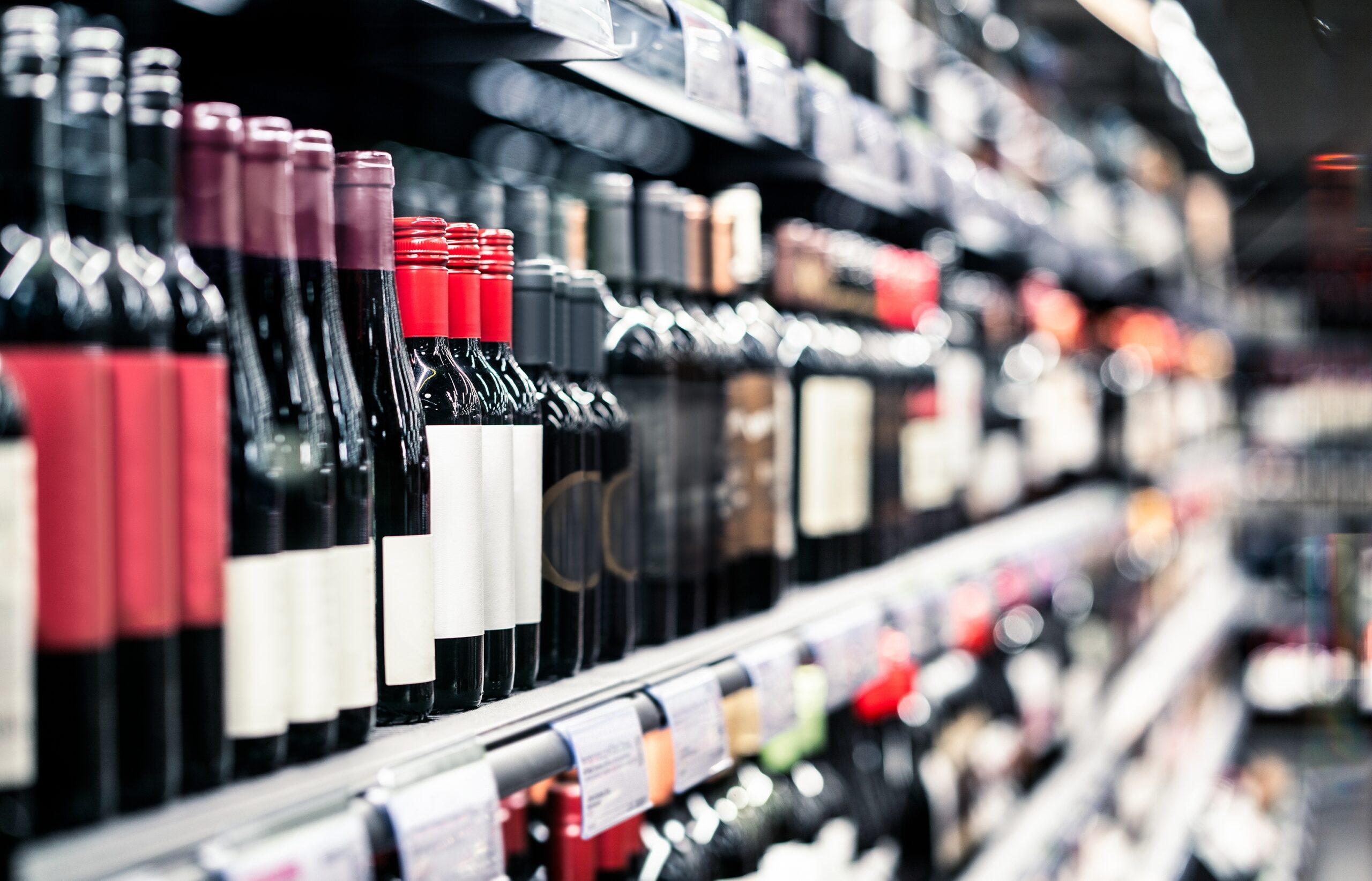
Alcohol consumption is a major cause of cancer in Europe, according to a new report by the World Health Organization’s (WHO) International Agency for Research on Cancer (IARC). Experts say that stronger government policies to reduce drinking could prevent thousands of cancer cases and deaths each year.
In the European Union, where alcohol consumption is the highest in the world, more than 111,000 new cancer cases in 2020 were linked to alcohol. Globally, the figure reached approximately 741,000 cases, with men accounting for nearly 70% of them.
The financial burden is also immense. Premature deaths caused by alcohol-related cancers cost Europe an estimated €4.58 billion in 2018, according to WHO.
“The WHO European Region, and especially EU countries, are paying too high a price for alcohol in preventable cancers and broken families, as well as billions in costs to taxpayers,” said Dr. Gundo Weiler, head of prevention and health promotion at WHO Europe. “Some call alcohol a ‘cultural heritage’, but disease, death, and disability should not be normalised as part of European culture,” he added.
How Alcohol Causes Cancer
Alcohol was first classified as carcinogenic in 1988. It increases the risk of at least seven cancers — including those of the mouth, throat, oesophagus, liver, colon, rectum, and female breast.
Researchers believe alcohol contributes to cancer through several mechanisms, such as hormone disruption, changes to the gut microbiome, oxidative stress, and DNA damage caused by acetaldehyde, a toxic byproduct of ethanol.
Reducing or quitting alcohol significantly lowers cancer risk. While “risky” drinking (two to six drinks per day) and “heavy” drinking (more than six drinks per day) cause most alcohol-related cancers, even moderate consumption (fewer than two drinks per day) was responsible for over 100,000 new cancer cases worldwide in 2020.
Strategies to Reduce Alcohol-Related Cancer
For the first time, IARC evaluated how prevention strategies could reduce alcohol-related cancers. The agency confirmed that policies reducing alcohol consumption directly lower cancer risks.
Recommended measures include higher taxes, setting minimum prices, increasing the legal drinking age, restricting alcohol sales and marketing, and limiting where and when alcohol can be sold.
These policies have proven effective. A 2021 study found that doubling alcohol excise taxes could have prevented 6% of alcohol-related cancer cases and deaths in 2019 across WHO’s European region.
“Raising awareness about the cancer risks of alcohol and the fact that no level of drinking is safe is critical,” said Dr. Béatrice Lauby-Secretan, deputy head of IARC’s Evidence Synthesis and Classification Branch. “Everyone has a role to play in changing the current norms and values surrounding alcohol consumption,” she added.