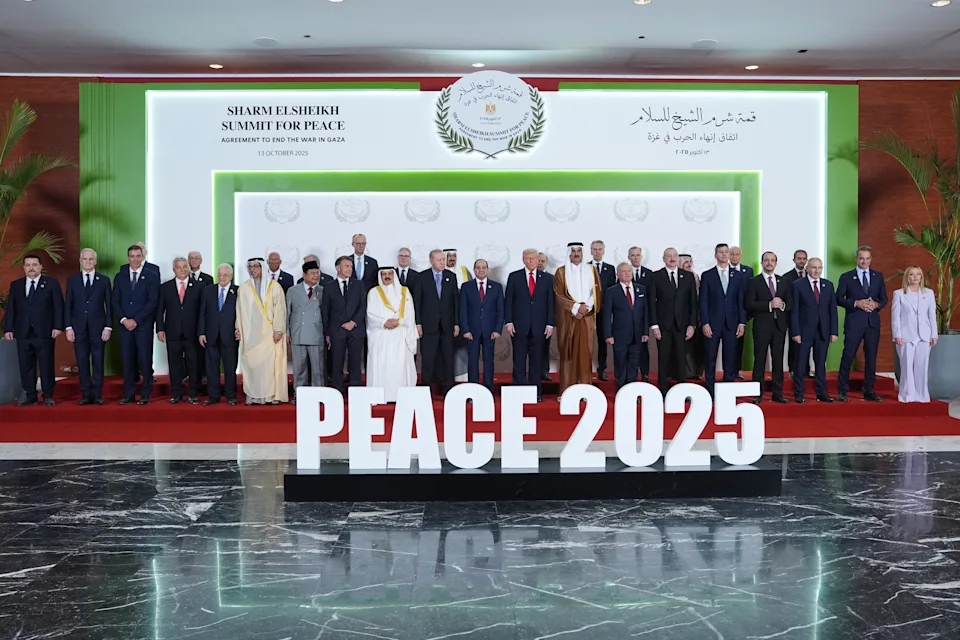
Trump’s Gaza peace proposal momentum has gained strong international attention as regional leaders call it the “last chance” for lasting peace in the Middle East. The plan, presented by former U.S. President Donald Trump, has united leaders from Egypt, Turkey, Qatar, and other nations to discuss a clear roadmap for Gaza’s recovery and stability.
During a high-level summit in Egypt, President Abdel Fattah el-Sisi described the proposal as a crucial opportunity to end years of conflict and begin rebuilding Gaza. The plan outlines a 20-point framework designed to bring an end to hostilities, establish a sustained ceasefire, and pave the way for reconstruction efforts supported by multiple nations.
The initiative also calls for the release of hostages, gradual troop withdrawals, and the creation of a temporary governing body to oversee Gaza during the transition. This proposed 15-member Palestinian committee would manage daily affairs and coordinate with regional partners to ensure fair representation and effective administration.
A key element of the peace proposal includes the disarmament of militant groups and the creation of a regional “Board of Peace” to monitor compliance. Trump stated that this initiative represents a “new era of harmony,” urging all sides to put aside political rivalries and prioritize the safety of civilians.
Israel has shown support for the first phase of the agreement, which includes troop redeployments and coordinated prisoner exchanges. This move has been viewed as a significant step toward restoring trust and opening communication between the two sides. Supporters believe that this development could become the most realistic path to peace in the region in years.
However, the plan faces challenges. Hamas has not accepted all the terms, particularly those involving disarmament and exclusion from transitional governance. Analysts note that these sticking points could delay progress if mutual trust and international oversight are not maintained.
The financial cost of Gaza’s reconstruction remains another major concern. Estimates suggest tens of billions will be needed to rebuild homes, schools, hospitals, and infrastructure destroyed during years of conflict. International donors have expressed conditional support, emphasizing transparency and accountability in the allocation of funds.
Regional leaders have urged quick action to prevent renewed violence and maintain the fragile momentum. President el-Sisi warned that hesitation or political delays could risk collapsing the process and reigniting tensions.
Despite uncertainties, optimism is growing among diplomatic circles that a balanced and enforceable peace agreement may finally emerge. Observers see this as a rare moment of cooperation among Middle Eastern powers and an opportunity to replace decades of instability with hope for a peaceful and prosperous Gaza.