Modulating Brain Pathways
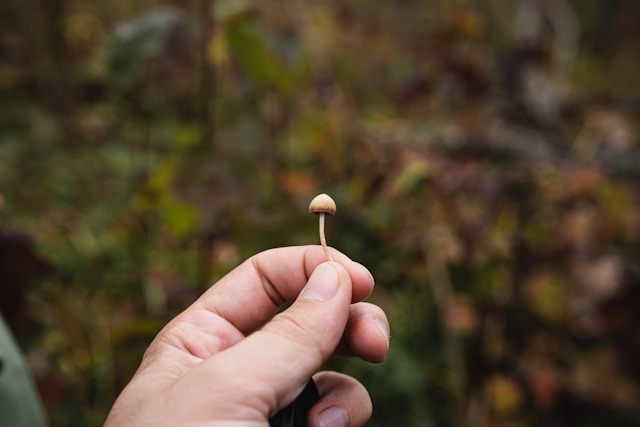
New research from Penn Medicine indicates that psilocybin, the hallucinogenic compound in certain mushrooms, can influence brain pathways connected to pain and mood regulation. The study suggests that the substance interacts with serotonin receptors, fine-tuning brain activity in a way that reduces both discomfort and depressive behaviors in animal models.
A Non-Addictive Approach to Pain Relief
In the experiments, a single administration of psilocybin alleviated chronic pain and eased anxiety- and depression-like responses in mice for up to two weeks. Scientists note that these effects differ from conventional opioid treatments, highlighting the potential of psilocybin as a safer, non-addictive alternative for managing persistent pain.
Next Steps for Human Applications
Although results are encouraging, researchers stress that human trials are essential to determine safety and efficacy. If future studies confirm these findings, psilocybin could become a groundbreaking treatment for patients struggling with the dual challenges of chronic pain and depression, offering a novel therapeutic pathway.