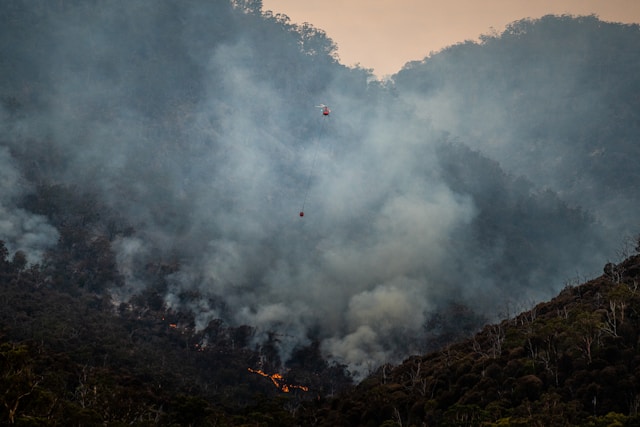
Health Risks on the Rise
Wildfire smoke is emerging as an increasingly serious public health concern in the United States. Fine particles in the smoke, known as PM2.5, can aggravate respiratory and heart conditions, placing children, the elderly, and those with pre-existing medical issues at higher risk. Experts warn that with wildfires becoming more frequent and intense, the health impacts are likely to grow.
Smoke Spreading Beyond the West
Historically, wildfire smoke has primarily affected western states like California, Oregon, and Washington. However, recent trends show smoke drifting farther east, impacting regions in the Midwest and Northeast. Climate change is identified as a key factor, driving more frequent and severe wildfires across the country.
Protective Measures and Awareness
Health authorities advise people to monitor local air conditions and take steps to limit smoke exposure. Recommended precautions include staying indoors, keeping windows and doors closed, using air filtration systems if possible, reducing outdoor activities, and following local health guidance during high-smoke events.
Preparing for Future Seasons
As climate-driven wildfire activity continues, preparedness is crucial. Experts emphasize the need for better land management, effective early warning systems, and public education about the dangers of wildfire smoke to protect communities in the coming years.