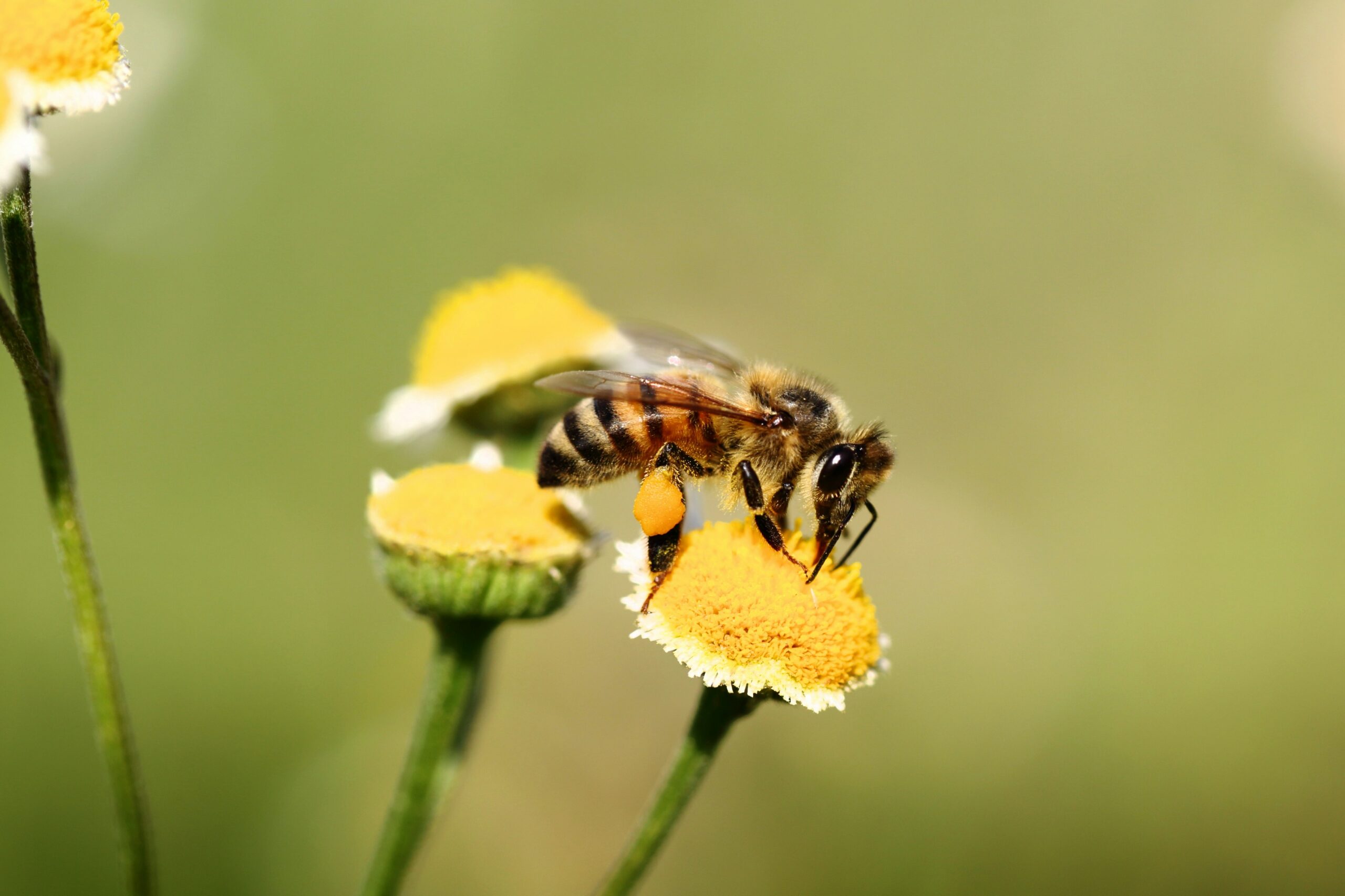
A new study in the Colorado Rockies has shown that wild bees actively select flowers to balance their intake of protein, fats, and carbohydrates. Over eight years, researchers observed eight species of bumblebees and analyzed the pollen they collected, revealing wide variation in nutrient content and seasonal shifts. Spring flowers tended to provide protein-rich pollen, while late-summer blooms were higher in fats and carbohydrates. Individual bees adjusted their foraging as their colonies developed, reflecting changing nutritional needs.
The study also found distinct nutritional niches among bee species: larger bees with longer tongues preferred high-protein, low-sugar pollen, while smaller bees favored pollen richer in carbohydrates and fats. These findings highlight that bees do not forage randomly but make strategic choices to meet their dietary requirements.
Understanding these patterns is vital for conservation efforts, emphasizing the need to maintain diverse floral habitats that provide essential nutrients throughout the season. Protecting pollinators and their ecosystems is critical for sustaining both natural biodiversity and human food systems that rely on pollination.