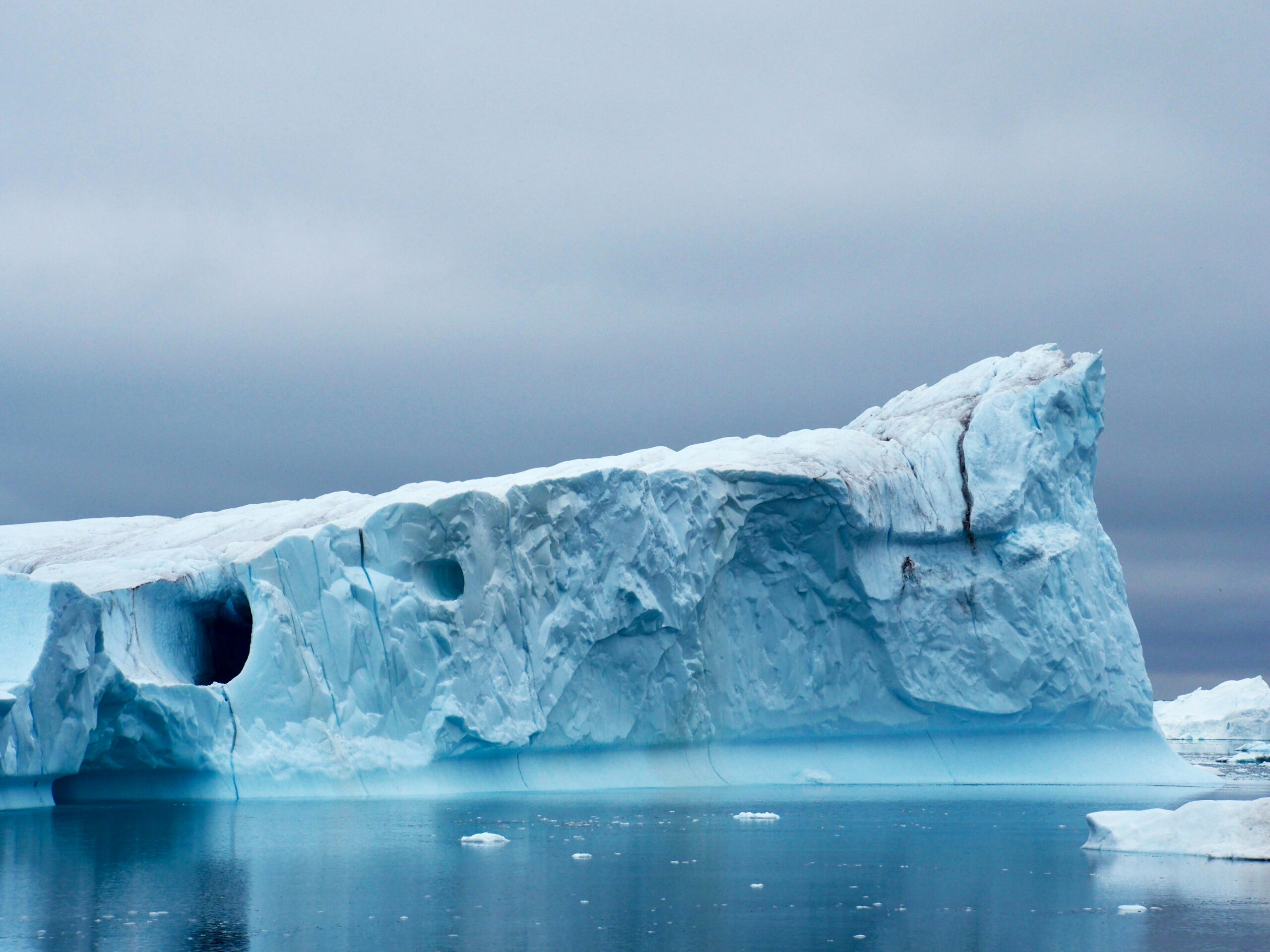
Scientists report that Arctic sea ice has shown little decline since 2005, an unexpected development considering global heating.
They explain the slowdown through ocean circulation changes that temporarily reduced melting, despite steadily increasing greenhouse gas emissions worldwide.
The pause is only short-term, researchers warn, and melting is expected to accelerate again within the next decade.
A Pause Amid Decline
September sea ice levels remain about half of those measured in 1979, when Arctic satellite monitoring was first established.
Experts emphasize there is no recovery. Ice-free summers later this century are still projected, carrying severe ecological and human costs.
As ice vanishes, darker oceans absorb more sunlight, intensifying warming and reinforcing the effects of climate change.
Lead scientist Mark England described the pause as “extra time,” but stressed it cannot prevent worse losses ahead.
What Studies Reveal
The study analyzed four decades of records and thousands of climate models, all indicating that pauses naturally occur but fade.
Simulations consistently show ice retreat accelerating once a slowdown ends, driving the long-term decline even further.
Meanwhile, ice thickness continues to shrink. Since 2010, October measurements reveal a steady decrease of around 0.6 centimeters annually.
Researchers note a parallel with the late-1990s “pause” in global surface warming, when Earth still stored excess heat.
Message of Urgency
Scientists insist climate change is human-caused and continues to pose serious threats. The brief slowdown does not ease the crisis.
They warn that misinterpreting these results could embolden climate skeptics and weaken momentum for urgent, global climate action.